Helicopter Charter in Nigeria
Totripjet Helicopter Charter operates VIP and executive rotary-wing flights across Lagos, Abuja, Port Harcourt and Nigeria's wider oil and gas corridors. A helicopter charter removes the two biggest constraints of ground transport in Nigeria — traffic and infrastructure — landing you directly at a helipad, private facility or approved site close to your actual destination rather than the nearest airport.
Road travel in Lagos, Abuja and Port Harcourt is one of the least predictable elements of doing business in Nigeria. A 40-minute drive on a normal day can become a two-hour ordeal without warning. Helicopter charter removes that variable entirely — your flight time is fixed, your schedule is fixed, and your arrival point is chosen to suit your destination, not the nearest paved runway.
What Is Helicopter Charter?
Helicopter charter is the private hire of a rotary-wing aircraft — complete with pilot and crew — for a specific flight, route or schedule that you control. Unlike a fixed-wing private jet, which requires a runway of at least several hundred metres, a helicopter can take off and land vertically from a helipad, a cleared area, a rooftop facility or a marked apron, which removes the single biggest limitation of conventional air travel: the need for a long paved runway near your actual destination.
In practice, this means a helicopter charter can connect two points that a fixed-wing aircraft simply cannot — a corporate headquarters in Victoria Island to an offshore platform 60 nautical miles out, or a private residence in Abuja to an event venue with no nearby airport. The operator plans the route, confirms the landing site is approved and safe, and manages the entire flight from pre-flight briefing to touchdown.
How Helicopter Charter Differs From Fixed-Wing Travel
| Factor | Helicopter Charter | Fixed-Wing Private Jet |
|---|---|---|
| Landing Requirement | Helipad, cleared ground, rooftop pad or approved site | Paved runway of significant length |
| Typical Range | Up to approximately 700 km depending on aircraft | Hundreds to thousands of kilometres |
| Best Use Case | Short-to-medium distance, direct-to-destination access | Longer domestic and international sectors |
| Access to Remote Sites | Excellent — offshore platforms, construction sites, rural locations | Limited to serviced airports and airstrips |
| City Centre Access | Can land at approved city helipads close to final destination | Requires an airport, often outside the city centre |
Organisations across Nigeria use helicopter charter for a wide range of operational needs — corporate transfers that must avoid Lagos traffic, offshore crew rotations to production platforms, government and VIP movements requiring flexible scheduling, and event logistics where a fixed-wing option isn't practical. What each of these missions shares is a need for precise timing and direct access that only vertical take-off and landing can reliably provide.
Why Choose Helicopter Charter?
Helicopter charter earns its place in an executive travel plan for reasons that go beyond simple convenience. Each of the following advantages solves a specific, recurring problem faced by corporate travellers, government officials and offshore operators in Nigeria.
Speed Across Short-to-Medium Distances
For distances under roughly 250–300 km, a helicopter frequently outperforms both road transport and fixed-wing travel once ground transfer time to and from the airport is factored in. A helicopter departs from a location close to your origin and lands close to your destination, eliminating the two ground journeys that typically bookend a fixed-wing flight.
Direct Access Without Airport Dependency
Because a helicopter does not require a runway, it can reach locations that no fixed-wing aircraft can serve — offshore platforms, construction sites, private estates, hotel helipads and remote operational areas. This direct-access capability is the primary reason oil and gas companies, construction firms and tourism operators rely on helicopter charter rather than road or fixed-wing alternatives.
Time Savings That Compound Across a Working Day
An executive who saves ninety minutes on a single leg of a journey has, in most cases, recovered enough time to fit in an additional meeting, a site visit, or simply arrived rested rather than fatigued from unpredictable road traffic. Across a working week with multiple movements, these savings compound significantly.
VIP Privacy Throughout the Journey
A chartered helicopter is exclusive to you or your organisation. There is no shared cabin, no public terminal exposure, and no queuing alongside strangers. For government officials, corporate executives and high-profile travellers, this privacy is frequently as important as the time saved.
Operational Flexibility
Helicopter charter is built around your schedule rather than a fixed timetable. Departure times, routing and landing sites are planned around the specific requirements of your trip, and last-minute schedule changes can typically be accommodated far more easily than with commercial or even some fixed-wing options.
Remote Location Access
For industries operating away from major population centres — oil and gas exploration, mining, large-scale construction — a helicopter is often the only practical method of moving personnel and light cargo efficiently between a base of operations and a remote or offshore site.
A Genuinely Premium Travel Experience
Beyond the operational advantages, chartering a helicopter is simply a more comfortable, more private and more memorable way to travel — a consideration that matters for VIP arrivals, corporate hospitality and events where the journey itself forms part of the impression created.
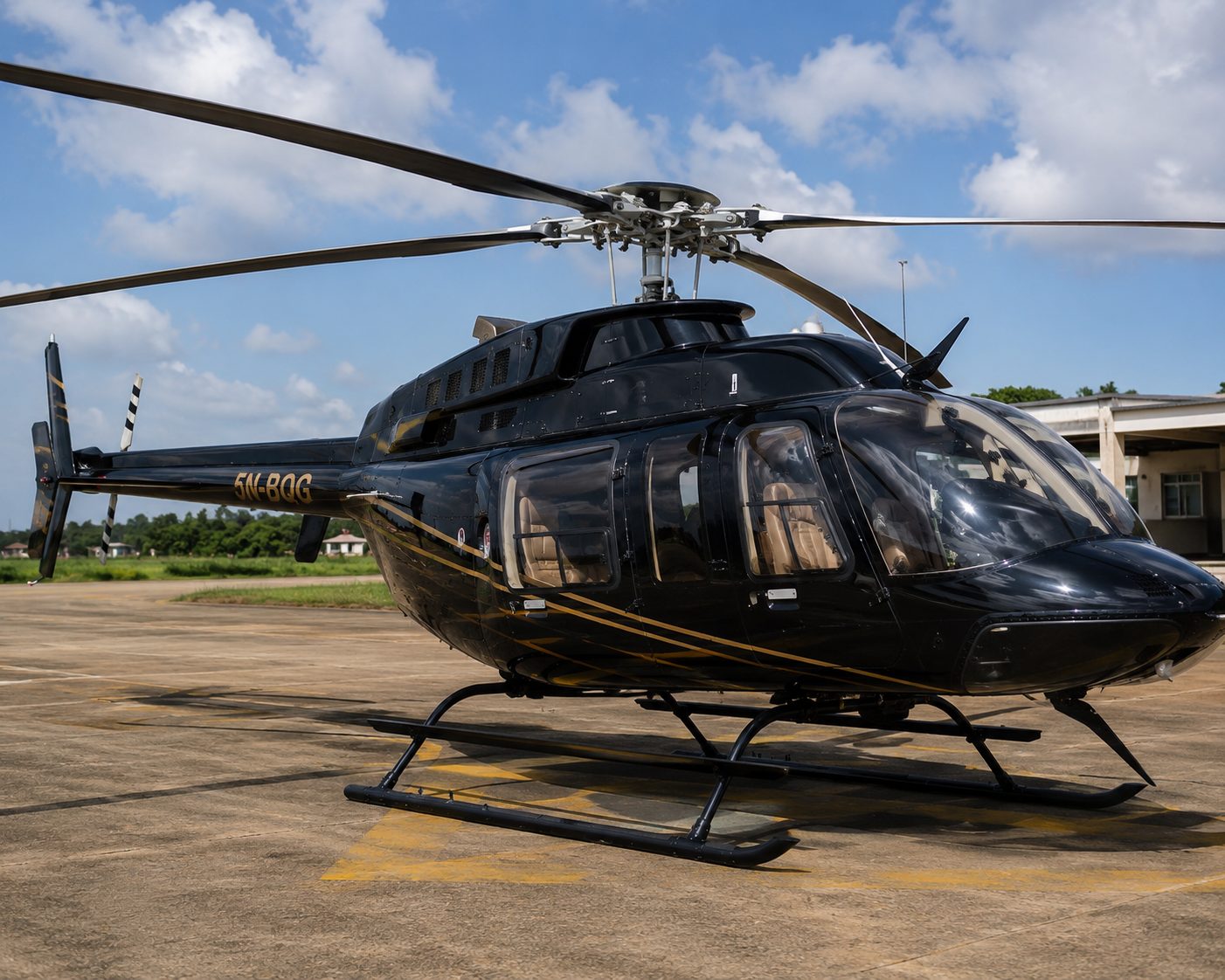
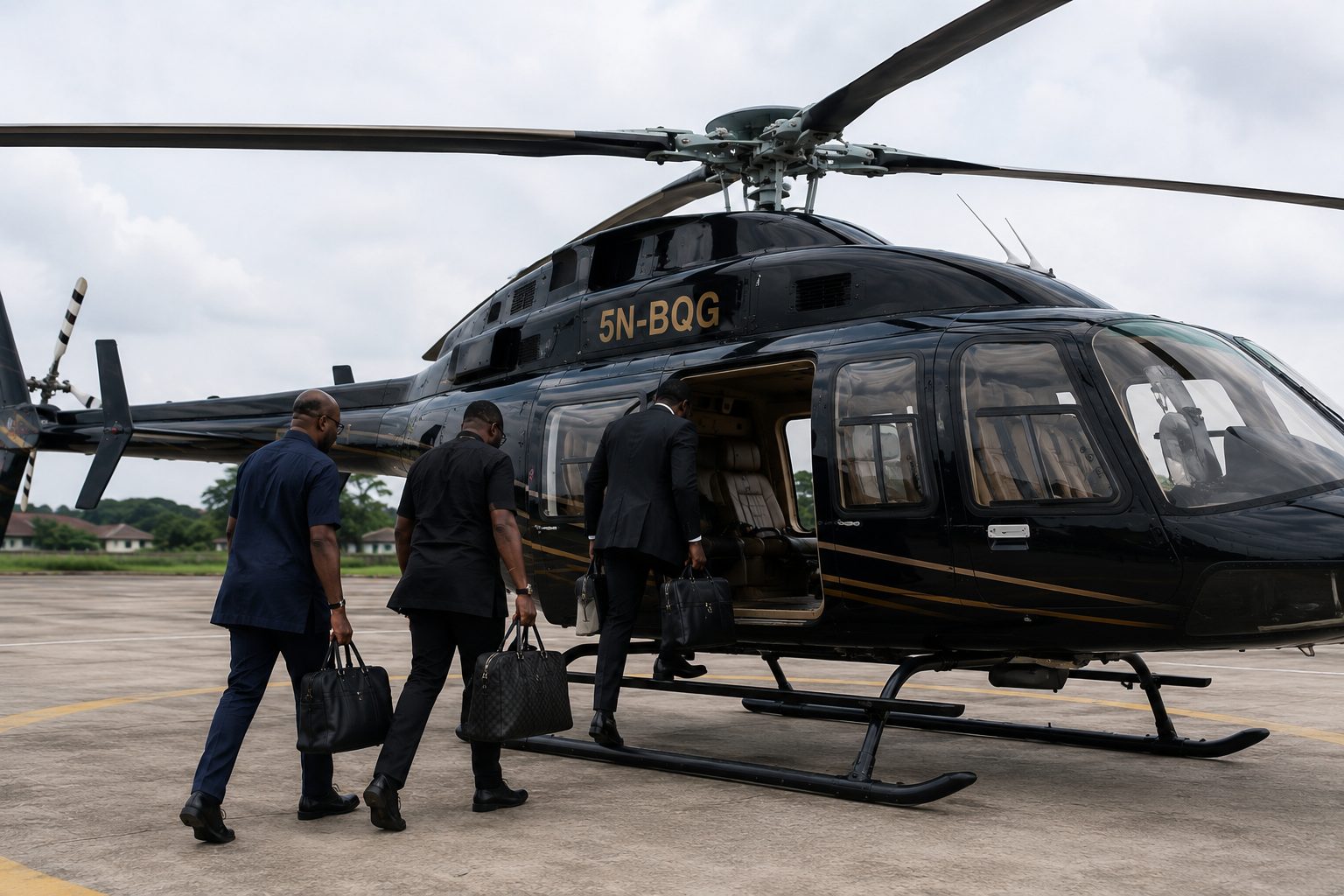
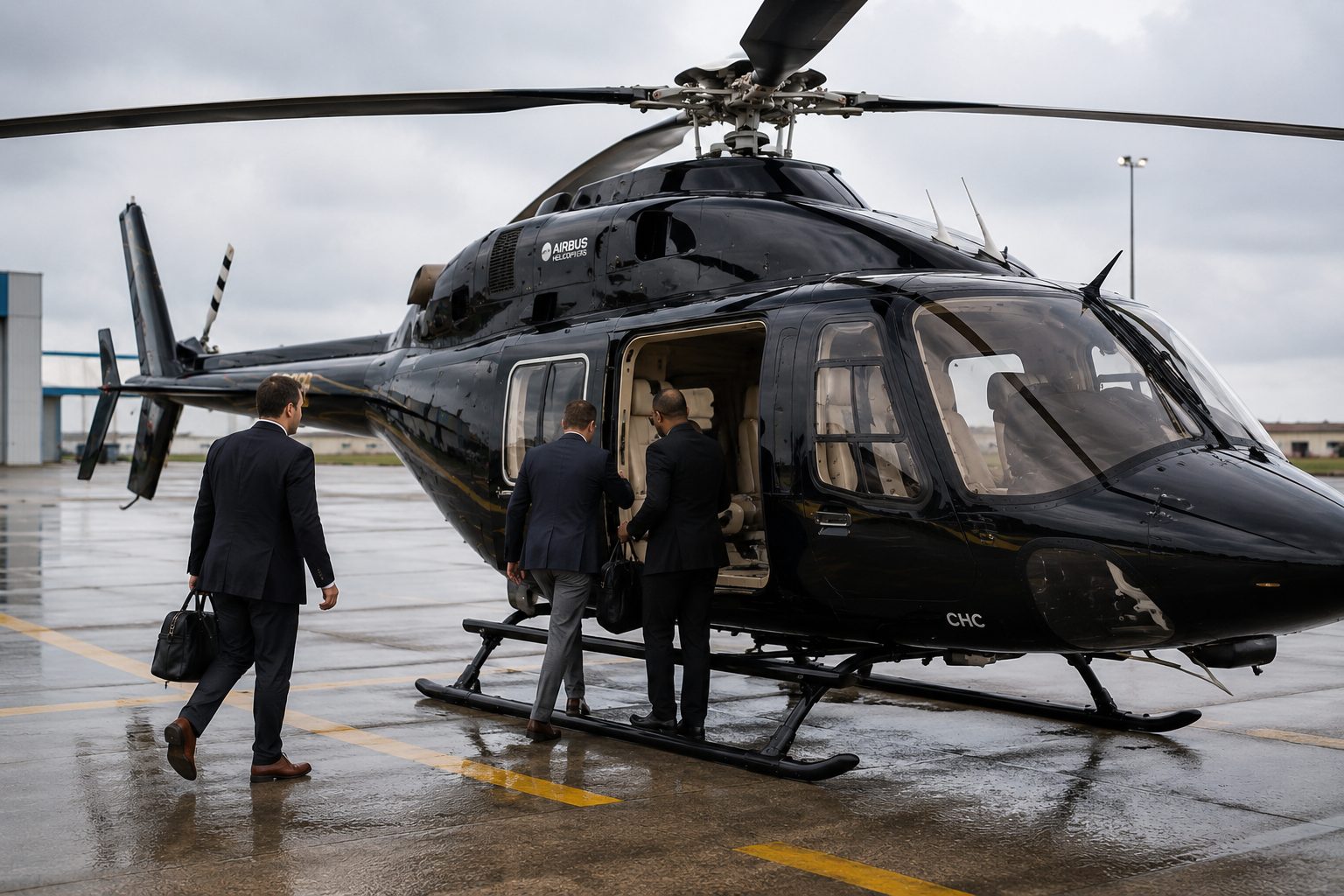
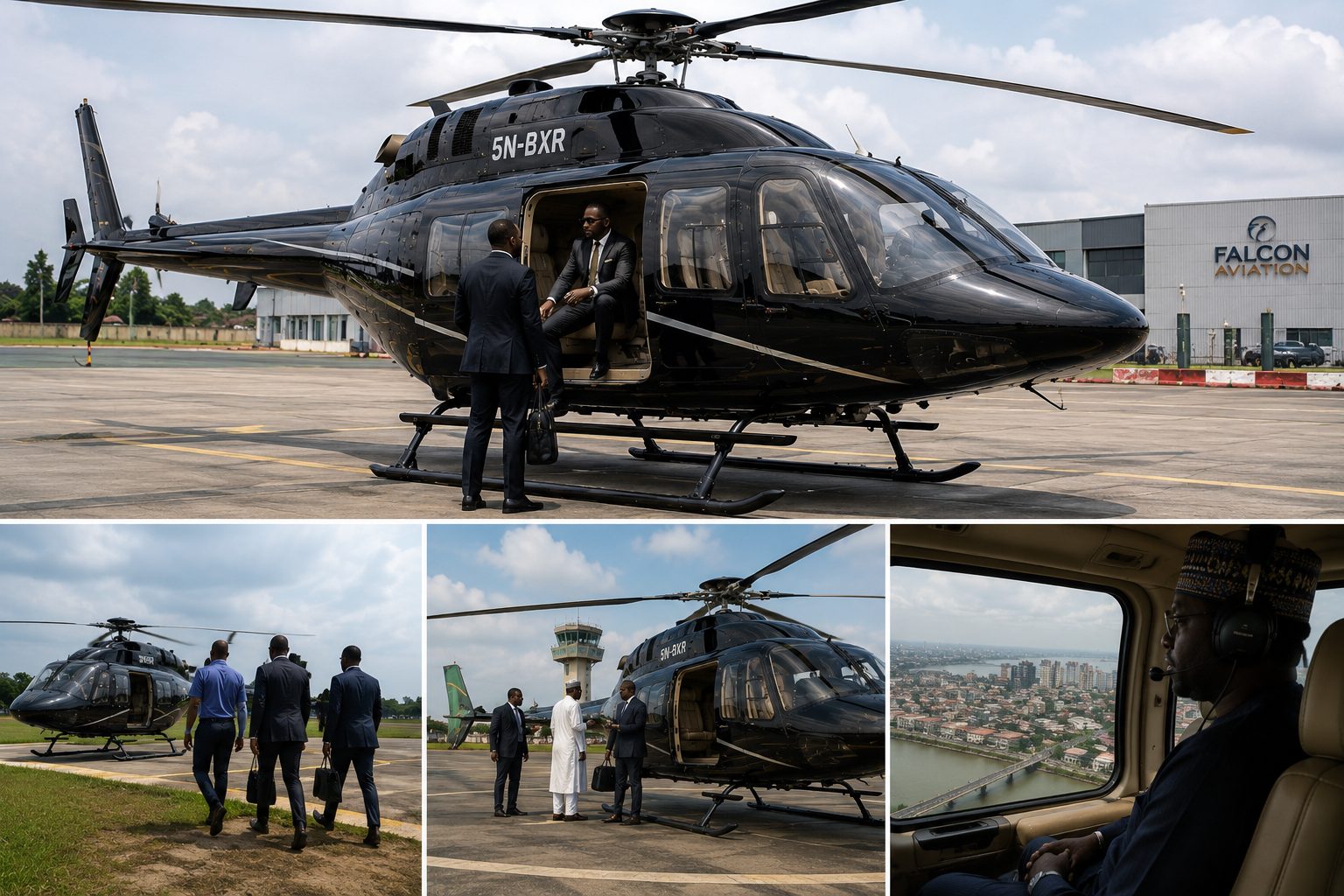
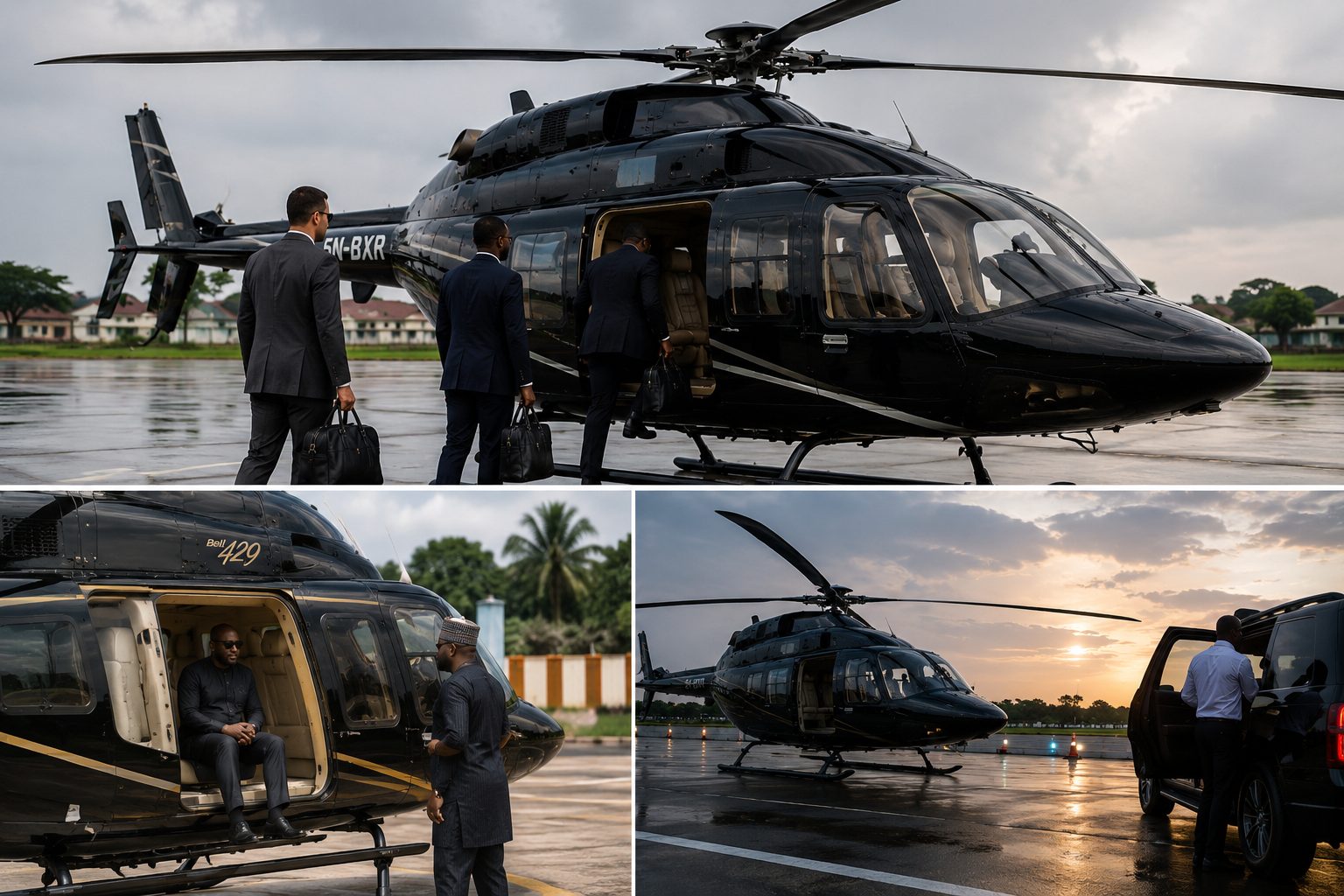
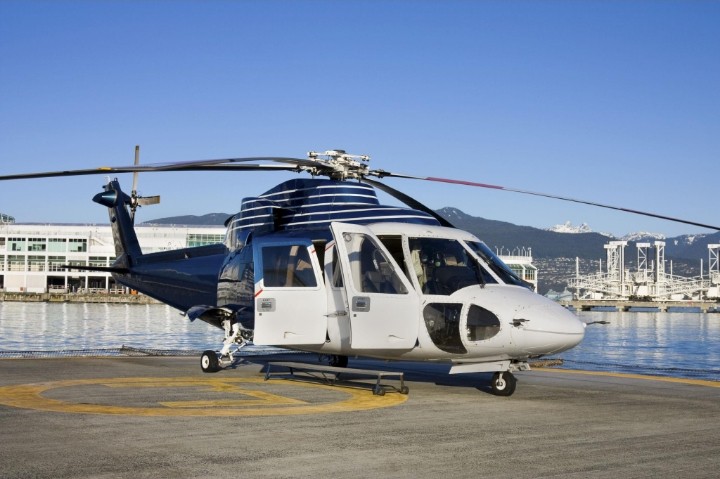
This Is What Helicopter Charter Looks Like
From the moment you step onto the apron, the aircraft is yours — your schedule, your route, your landing site. No terminal queues, no shared cabin, no dependency on a runway near your destination.
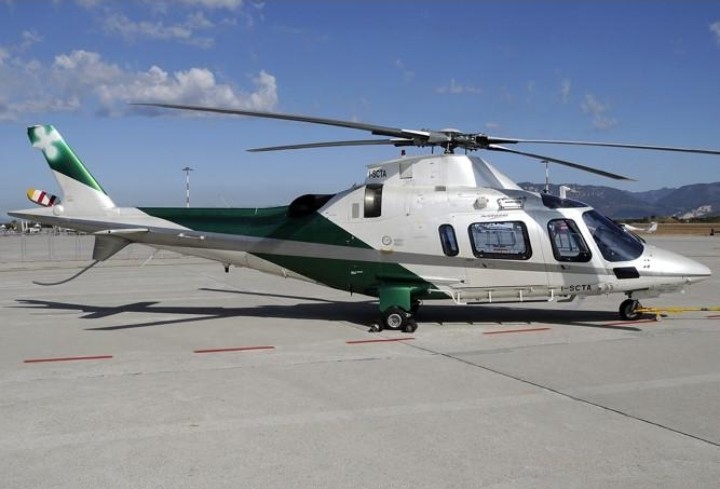
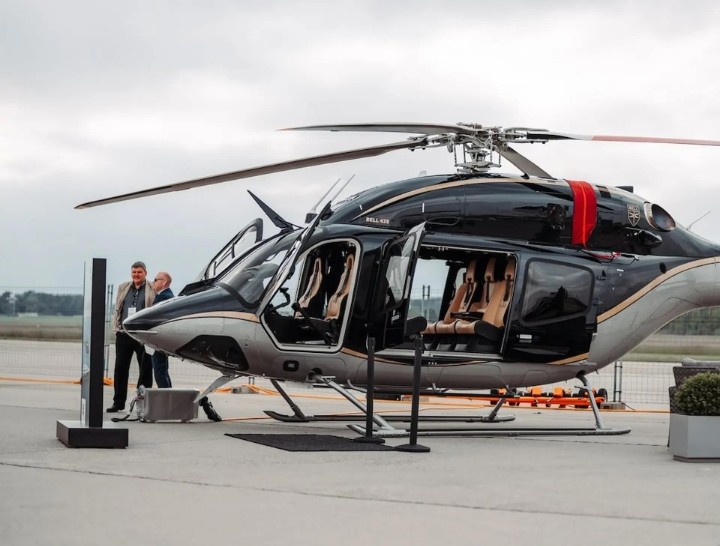
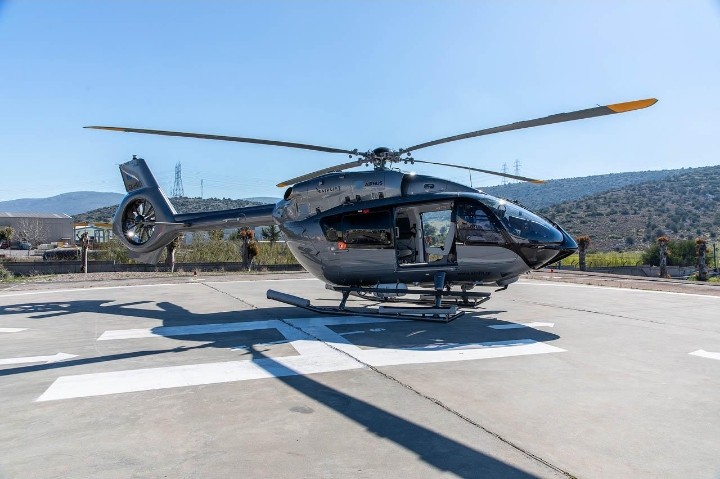
Helicopter Charter Fleet — In Operation Across Nigeria
Every aircraft operated for Totripjet Helicopter Charter is professionally crewed and maintained to executive standard. The gallery below reflects the aircraft types, cabin configurations and operational settings typically involved in Nigerian helicopter charter — from tarmac departures to offshore approach.
Who Uses Helicopter Charter?
Helicopter charter serves a broad range of organisations and individuals, each with distinct operational needs. Understanding how different sectors use rotary-wing aviation helps illustrate why it has become an essential tool rather than a luxury add-on for many Nigerian businesses.
Corporate Executives
Board members and senior executives use helicopter charter to move between meetings, sites and airports without losing hours to Lagos or Abuja traffic. A single helicopter transfer can replace a journey that would otherwise consume an entire morning.
Government Officials
Government and public sector travel frequently requires flexible scheduling, direct access to specific facilities, and a level of privacy and security that scheduled transport cannot guarantee. Helicopter charter is widely used for exactly these requirements.
Oil & Gas Companies
Nigeria's energy sector depends heavily on helicopter transport to move crew, engineers and light equipment between onshore bases and offshore platforms — a journey with no road or fixed-wing alternative.
Construction Companies
Large infrastructure and construction projects use helicopter charter to move project managers and inspection teams to remote or partially developed sites where road access is limited or unreliable.
Mining Companies
Mining operations in less accessible regions rely on helicopter charter to keep personnel movement efficient between head office, processing facilities and extraction sites.
Film & Television Production
Production teams use helicopter charter both for aerial filming platforms and for moving cast, crew and equipment between locations that may not be practically reachable by road within a shooting schedule.
Entertainment Industry
Artists, performers and entertainment executives use helicopter charter for event arrivals, tour logistics and time-sensitive movement between venues.
Tourism Companies
Tour operators incorporate helicopter transfers and scenic flights into premium itineraries, offering guests an experience and a level of access that ground transport cannot replicate.
Hotels & Resorts
Luxury hotels and resorts use helicopter transfers to move high-value guests directly from arrival points to the property, removing multi-hour road transfers from the guest experience entirely.
Event Organisers
Corporate and private event organisers use helicopter charter to manage VIP arrivals, keep tightly scheduled programmes on time, and create a memorable entrance for headline guests.
Security Organisations
Security and protective services use helicopter charter for rapid personnel movement, site assessment and coordinated logistics around high-profile engagements.
International Organisations
NGOs, multilateral bodies and international delegations operating in Nigeria use helicopter charter to reach project sites and meetings efficiently, particularly where schedules involve multiple locations in a single day.
Luxury Travellers
Individual travellers and families use helicopter charter for the combination of privacy, comfort and time savings it offers over conventional transport, particularly for airport transfers and short intercity journeys.
Executive Helicopter Charter
Executive business travel runs on tight, often immovable schedules — a board meeting, an investor call, a site inspection — and a single unexpected delay on the ground can cascade through an entire day. Executive helicopter charter is built to remove that variable, replacing an unpredictable road journey with a fixed, reliable flight time planned specifically around your itinerary.
Corporate clients typically use executive helicopter charter for meeting-to-meeting transfers within Lagos, movement between Lagos and Abuja for same-day engagements, and connections from corporate headquarters to project or production sites. Because the aircraft is exclusive to your party, confidential conversations, document review and call preparation can continue uninterrupted in flight — a meaningful productivity gain on a day with back-to-back commitments.
Privacy is a further consideration many executives value as highly as time savings. There is no shared cabin, no adjacent stranger, and no public terminal exposure between departure and arrival — an important factor for board-level travel and for executives whose movements are commercially sensitive.
Airport Helicopter Transfers
Airport helicopter transfers connect a private jet or commercial arrival directly to a city-centre helipad, corporate facility or residence — bypassing the road journey between the airport and the final destination entirely. In Lagos and Abuja, where airport-to-city road transfers can range from thirty minutes to well over two hours depending on traffic conditions, this is frequently the single highest-value application of helicopter charter.
A typical airport transfer begins with the helicopter positioned at the arriving aircraft's FBO or a nearby helipad, ready to depart shortly after your fixed-wing flight lands. From there, the helicopter proceeds directly to your city destination — a hotel, office or private facility with a helipad or approved landing area — turning what could be a multi-hour ground transfer into a flight of minutes.
This service is used most frequently by VIP arrivals connecting from international flights, corporate teams with same-day meetings immediately after landing, and any traveller for whom avoiding Lagos or Abuja traffic is worth the additional cost of a helicopter leg.
Intercity Helicopter Charter
For journeys between Nigerian cities that fall within a helicopter's typical operating range, rotary-wing charter offers a genuine alternative to road transport — particularly on corridors where road conditions, distance or security considerations make driving impractical for a same-day round trip.
The advantage over road travel on these routes is straightforward: a helicopter's flight time is fixed and predictable regardless of traffic, road works or security checkpoints along the route, while a road journey of the same distance can vary substantially depending on conditions on any given day. For time-sensitive intercity travel — a site visit that must be completed and the traveller returned the same day, or a delegation with a fixed meeting time at the far end — this predictability is often the deciding factor.
Intercity helicopter charter is typically matched to distance and passenger count on a case-by-case basis, since operating range varies meaningfully between aircraft types. Our team confirms achievable routing, any required refuelling stops, and appropriate aircraft selection at the point of enquiry.
Offshore Helicopter Operations
Nigeria's oil and gas sector depends on helicopter transport to move personnel between onshore bases and offshore platforms — a journey with no practical road or fixed-wing alternative. Offshore helicopter operations differ meaningfully from other charter work: they involve structured crew transfer protocols, platform-specific landing procedures, and a heightened emphasis on weather assessment given the maritime operating environment.
Crew transfers are typically scheduled around shift rotation patterns, with passenger manifests, safety briefings and personal protective equipment requirements confirmed before departure in line with offshore industry standards. Platform access requires coordination with the platform operator to confirm helideck availability, weather limits and any operational restrictions specific to that installation.
Operational efficiency on offshore routes depends on careful flight planning — fuel reserves calculated for the return sector, weather monitored continuously along the corridor, and contingency routing agreed in advance in case conditions change. We only describe and arrange offshore services that are genuinely available and appropriately resourced for the specific platform and route in question; offshore capability should always be confirmed directly with our team for your specific location.
Tourism & Sightseeing Helicopter Charter
For travellers and hospitality partners seeking a distinctive experience, helicopter charter offers scenic flights and private sightseeing that ground-based tours cannot match — coastline views, city skylines and landscape perspectives available only from the air. Luxury tourism operators increasingly build helicopter excursions into premium itineraries as a signature experience for discerning guests.
Availability of scenic and tourism flights depends on aircraft positioning, weather conditions and destination-specific permissions. Contact our team directly to confirm current sightseeing and tourism charter availability for your intended route and date. See also: helicopter ride in Lagos. For corporate and offshore work, see helicopter transport for oil and gas in Nigeria.
Event Helicopter Charter
Helicopter charter is a proven way to manage VIP arrivals and keep tightly scheduled events on time. Corporate launches, high-profile sporting fixtures, entertainment events and wedding arrivals all benefit from the same core advantage — a guest or headline participant can arrive precisely on schedule regardless of road conditions on the day, and the arrival itself becomes a memorable part of the occasion.
Event helicopter charter requires careful advance coordination: confirming an approved landing site at or near the venue, agreeing arrival timing with the event programme, and planning contingency timing in case the event schedule shifts. Our team works directly with event organisers to plan this coordination well ahead of the date, rather than treating the helicopter leg as a late addition to the programme.
Helicopter Flight Planning
Every helicopter charter flight begins with a structured planning process well before the aircraft leaves the ground. Route planning confirms the most efficient and safe path between departure and destination, taking into account controlled airspace, known obstacles and terrain. Weather assessment is continuous — helicopters operate at lower altitudes than fixed-wing aircraft and are more sensitive to visibility, wind and cloud base, so current and forecast conditions are checked at every stage of planning and again immediately before departure.
Landing permissions are confirmed for every site on the route, whether that is an established helipad, a private facility, or a temporary approved landing area for an event. Passenger coordination covers manifest details, baggage, and any specific requirements for the flight, while safety preparation includes aircraft pre-flight inspection, crew briefing and confirmation of fuel and reserve requirements for the planned route. No flight departs until each of these elements has been confirmed.
Safety — On Every Helicopter Charter Flight
Safety governs every operational decision made before, during and after a helicopter charter flight. Aircraft are maintained according to manufacturer-approved maintenance schedules, with airworthiness confirmed before every departure. Pilots hold current type ratings for the aircraft they operate, maintain valid medical certification, and complete regular recurrent training to keep their skills current against evolving industry standards.
| Safety Area | Standard Applied |
|---|---|
| Aircraft Maintenance | Scheduled maintenance per manufacturer requirements, with airworthiness confirmed before every flight |
| Pilot Qualifications | Current type ratings, valid medical certification, recurrent training |
| Operational Procedures | Standard operating procedures followed for every phase of flight, from pre-flight to shutdown |
| Weather Monitoring | Continuous assessment before departure and throughout the flight, with go/no-go decisions made conservatively |
| Flight Planning | Route, fuel and contingency planning completed before every departure |
| Risk Management | Formal risk assessment applied to every route, landing site and mission type |
Operational procedures cover every phase of flight, from pre-flight inspection through to engine start, take-off, cruise, approach and shutdown, with standard checklists followed on every sector regardless of how familiar the route may be. Risk management is applied formally to each flight — assessing the specific route, landing site, weather pattern and mission type rather than relying on general assumptions — and industry best practices are followed consistently rather than only when convenient. We do not exaggerate our safety record or make claims we cannot support; what we can state plainly is that safety is treated as non-negotiable on every flight we operate.
Security & Privacy
VIP and government travel frequently requires a level of discretion that scheduled or shared transport cannot provide. A chartered helicopter carries only your party — there is no shared cabin and no public exposure at a commercial terminal. Confidential travel is handled professionally throughout, from initial enquiry through to landing, with passenger manifests and itinerary details kept strictly between our operations team and the client.
Executive and government clients benefit from flight timing and routing that can be adjusted for security considerations specific to their movement, and from the simple fact that a helicopter's flexibility in landing location reduces predictable exposure compared with fixed transport patterns. Every aspect of a confidential charter is handled with the professional discretion this type of travel requires.
Cabin Comfort
Modern executive helicopters offer a genuinely comfortable cabin environment for flights of the duration typically involved in Nigerian charter work. Passenger seating is arranged for visibility and ease of conversation, with cabin configurations varying by aircraft between forward-facing and club-style layouts depending on passenger count and mission type.
Noise reduction has improved substantially in newer airframes such as the Airbus H145 and Bell 429, both of which use vibration and acoustic dampening to keep cabin noise well below older-generation aircraft. Large cabin windows provide excellent visibility — a genuine advantage over fixed-wing travel for passengers who want to see the route beneath them — while air conditioning keeps the cabin comfortable in Nigeria's heat and humidity on the ground as well as in flight. Baggage space varies by aircraft type and is confirmed at the time of booking to ensure your luggage and equipment are properly accommodated.
Helipads & Landing Locations
One of helicopter charter's core advantages is landing site flexibility, but every site used must still be properly approved and operationally suitable for the aircraft involved. Approved landing areas include established helipads at airports, corporate facilities and hotels, as well as private landing permissions arranged specifically for a single flight or event.
Corporate facilities and select hotels across Lagos and Abuja maintain dedicated helipads suitable for regular executive traffic. For remote operations — offshore platforms, construction sites, or locations without an existing helipad — our operations team confirms the suitability of the proposed landing area in advance, including ground conditions, obstacle clearance and any local permissions required. No landing site is used without this confirmation, regardless of how straightforward the site may appear.
Helicopter Recommendations — Matching Aircraft to Mission
Choosing the right helicopter is not a matter of picking whichever aircraft happens to be available. The correct choice depends on passenger count, flight distance, mission type, landing site requirements, comfort expectations and baggage needs. The aircraft below represent the types most commonly used for executive and commercial charter operations in Nigeria, each suited to a distinct set of missions.
Bell 407
Light Single-Engine — Executive Transfers
| Specification | Detail |
|---|---|
| Passenger Capacity | Up to 6 passengers |
| Range | Approximately 600 km |
| Cruise Speed | Approximately 246 km/h |
| Cabin | Single main cabin, forward and rear-facing seating, good all-round visibility |
| Baggage | Compact external and cabin stowage, suitable for light luggage |
| Typical Missions | Executive transfers, airport connections, short intercity hops, VIP point-to-point travel |
The Bell 407 is one of the most widely operated light helicopters in executive charter, valued for its reliability, straightforward single-engine economics and proven track record across Nigerian domestic operations. Its size makes it well suited to smaller executive groups where cost efficiency matters alongside comfort. Best for: individual executives and small groups of up to six passengers travelling short-to-medium distances where a compact, efficient aircraft is the right fit.
Operational note: as a single-engine aircraft, the Bell 407 is generally used for overland operations rather than extended offshore work beyond standard operating limits — the correct aircraft for city transfers, executive point-to-point flights and intercity connections rather than long offshore sectors.
Bell 429
Twin-Engine — VIP & Corporate Charter
| Specification | Detail |
|---|---|
| Passenger Capacity | Up to 7 passengers |
| Range | Approximately 700 km |
| Cruise Speed | Approximately 265 km/h |
| Cabin | Flat-floor cabin with club-style seating option, large windows, premium leather interior |
| Baggage | Dedicated baggage compartment, suitable for executive luggage |
| Typical Missions | VIP transfers, corporate charter, event arrivals, twin-engine overland and light offshore work |
The Bell 429 is a genuine step up in cabin quality and redundancy over single-engine light helicopters, offering twin-engine reliability with a flat-floor cabin designed specifically for VIP and corporate comfort. Its combination of a quiet, spacious interior and strong performance makes it a preferred choice for clients who want the reassurance of twin-engine operation without moving into a larger, heavier aircraft category. Best for: VIP transfers, board-level corporate travel, and event arrivals where cabin presentation matters as much as performance.
Operational note: the flat cabin floor and rear clamshell doors make the Bell 429 notably easier to board in formal attire than older-generation aircraft — a small but genuinely appreciated detail for executive and event charter.
Airbus H145
Twin-Engine — Offshore & Executive
| Specification | Detail |
|---|---|
| Passenger Capacity | Up to 8 passengers |
| Range | Approximately 680 km |
| Cruise Speed | Approximately 245 km/h |
| Cabin | Spacious twin-engine cabin, low noise, high headroom |
| Baggage | Generous external compartments — well suited to equipment and multiple passenger bags |
| Typical Missions | Offshore crew transfer, VIP group transport, corporate charter, executive transfers |
The Airbus H145 combines a genuinely spacious cabin with twin-engine performance suited to both overland executive work and offshore operations. Its four-bladed, bearingless main rotor delivers a noticeably smoother ride than older twin-engine designs, and its higher passenger capacity makes it an efficient choice for larger groups or delegations. Best for: larger executive groups, offshore crew transfer where twin-engine capability is required, and corporate charter where cabin space and ride quality are priorities.
Operational note: the H145's fenestron tail rotor design reduces noise on approach and departure — a meaningful consideration for city helipad operations near residential or commercial areas.
Leonardo AW109
Twin-Engine — Speed & VIP Comfort
| Specification | Detail |
|---|---|
| Passenger Capacity | Up to 6 passengers |
| Range | Approximately 550 km |
| Cruise Speed | Approximately 285 km/h — one of the fastest in its class |
| Cabin | Well-appointed VIP cabin, comfortable club seating |
| Baggage | Moderate capacity, suitable for executive travel luggage |
| Typical Missions | VIP transfers, corporate charter, event arrivals, intercity travel where speed matters |
The Leonardo AW109 is prized for its cruise speed relative to its size, making it a strong choice whenever minimising flight time on a longer intercity sector is the priority. Its twin-engine configuration provides the redundancy expected for VIP work, combined with a well-finished cabin that suits corporate and private charter alike. Best for: intercity travel where speed is the deciding factor, and VIP transfers for smaller groups who want the fastest practical connection between two points.
Sikorsky S-76 (Category)
Medium Twin-Engine — Group & Offshore Charter
| Specification | Detail |
|---|---|
| Passenger Capacity | Up to 8 passengers |
| Range | Approximately 750 km |
| Cruise Speed | Approximately 260 km/h |
| Cabin | Wide medium-twin cabin, established offshore configuration |
| Baggage | Strong capacity for crew equipment and group luggage |
| Typical Missions | Offshore platform transfer, larger group corporate charter, VIP group transport |
Medium twin-engine aircraft in the S-76 category are a long-established choice for offshore crew transfer worldwide, offering a wide, comfortable cabin and strong payload capability. For Nigerian charter operations, aircraft in this category are best matched to larger groups and offshore missions where cabin volume and established operational history carry real weight. Best for: offshore platform transfer for larger crews, and corporate group charter of six to eight passengers.
In addition to the aircraft profiled above, the Airbus H125 and H130 are commonly used across Nigerian and African charter markets for their combination of efficiency and altitude performance, while the Leonardo AW139 and Airbus H155 serve larger group and heavier offshore missions where cabin capacity beyond eight passengers is required. Aircraft availability for any specific mission is confirmed directly with our operations team at the time of enquiry, based on your passenger count, route and landing site requirements.
How to Book — Helicopter Charter Step by Step
Booking a helicopter charter is a structured, professionally managed process from first contact through to landing. Understanding each step should give you full confidence in how straightforward the process is.
| Step | What Happens |
|---|---|
| 1. Initial Enquiry | Contact our team via WhatsApp, phone or email with your route, passenger count and preferred date and time |
| 2. Flight Planning | Our operations team assesses route, distance, landing sites and weather to confirm feasibility |
| 3. Aircraft Selection | The most suitable helicopter is recommended based on passenger count, baggage and mission type |
| 4. Passenger Confirmation | Passenger manifest, baggage details and any specific requirements are confirmed |
| 5. Operational Preparation | Landing permissions, weather checks and pre-flight procedures are completed |
| 6. Flight Execution | The aircraft departs on schedule, with the crew managing every phase of the flight professionally |
| 7. Customer Support | Our team remains available throughout your trip for any schedule adjustments or follow-up bookings |
Most enquiries receive an initial response within minutes, and straightforward charter requests can frequently be confirmed the same day. New to charter? Read how to rent a helicopter in Nigeria. Also see chopper rental in Nigeria. For offshore, event or multi-leg itineraries, we recommend contacting us as early as possible to allow adequate time for landing site confirmation and route planning.
Why Choose Totripjet Helicopter Charter
Selecting a helicopter charter operator is ultimately a decision about who you trust with your schedule, your safety and your privacy. The following principles guide every flight we operate.
Professionalism
Every stage of your charter — from the first enquiry to post-flight follow-up — is handled with the professionalism expected by corporate, government and VIP clients.
Safety
Safety is treated as non-negotiable, applied consistently regardless of how routine or familiar a flight may appear.
Reliability
Aircraft are properly maintained and crews properly qualified, so that the schedule you are promised is the schedule you receive.
Operational Efficiency
Flight planning, landing site coordination and passenger handling are managed efficiently, minimising delay at every stage of your journey.
Flexible Scheduling
Charters are planned around your requirements rather than a fixed timetable, with genuine flexibility for last-minute schedule changes wherever operationally possible.
Premium Customer Experience
From cabin presentation to ground handling, every detail is managed to reflect the standard our corporate and VIP clients expect.
Industry Knowledge
Our team understands Nigerian airspace, landing site requirements and the specific operational needs of the sectors we serve — from oil and gas to corporate and government travel.
Trusted Helicopter Charter Operations
One Aircraft. Every Kind of Mission.
Corporate transfers in the morning, offshore crew rotation in the afternoon, a VIP event arrival in the evening — the same disciplined standard applies to every flight, every time.
A Typical Helicopter Charter Day in Lagos
Most first-time passengers want to know what the day actually looks like before they commit, so it helps to walk through a representative Lagos mission from the first message to the final landing. It starts with a short enquiry by WhatsApp or phone: where you are leaving from, where you need to land, how many people are travelling, and when you must be there. Our operations team replies with a recommended aircraft, an indicative flight time, any approvals that may be needed for the landing site, and a price. Once you confirm, the booking becomes a flight plan rather than a promise.
On the morning of the flight, the crew checks weather, daylight, fuel and the condition of the aircraft well before you are due to arrive. You receive a message with the confirmed pickup point and a reporting time, which is usually a short window rather than the long buffer you would allow for a commercial airline. At the pickup site, a member of the team meets you, confirms names against the manifest, weighs or confirms baggage, and gives a short safety briefing covering seat belts, headsets, how to approach and leave the aircraft, and what to do if anything changes in flight.
The flight itself is typically the shortest part of the day. A move between Victoria Island and Ikeja, for example, is measured in minutes rather than the hour or more that the same journey can take on the road during busy periods. After landing, a driver or colleague can be waiting at the destination, and the crew either shuts down for a planned waiting period or positions the aircraft for your return leg. At the end of the day, the team confirms that everyone has reached their onward destination and settles the final details of the booking.
What makes this process work is not any single step but the discipline of doing the same things in the same order every time. Passengers who fly with us repeatedly tend to say that the predictability is what they value most, because it lets them plan a full day of meetings around a flight time they can trust.
Why Lagos Traffic Changes the Helicopter Arithmetic
Lagos is one of the most congested cities in Africa, and anyone who has planned a meeting across the lagoon knows that the distance on a map tells you very little about the time it will take. A journey that is comfortable at six in the morning can become several times longer by mid-morning, and an unexpected closure, flooding or an accident on a major bridge can turn a planned hour into half a day. Executives respond to this by leaving earlier than they need to, sitting in a car for long stretches, and scheduling fewer meetings than they would like.
A helicopter does not remove the need for planning, but it changes the variables. Over a short sector, the flight time is stable, because the aircraft travels in a straight line above the congestion. The remaining uncertainty is the short ground transfer at each end, which is usually small. That is why helicopter charter often makes economic sense for a busy day with several stops, even when a single leg looks expensive on its own.
The value is easiest to see when you count the whole day. Consider someone who must attend a morning meeting on the mainland, a lunch on the Island and an afternoon session near the airport. By road, each transition carries a risk of delay that compounds through the day, and a late first meeting tends to make everything after it late too. By helicopter, the transitions become short and predictable, which protects the rest of the schedule. Many of our corporate clients describe the benefit not as speed but as control over their own time.
It is worth being honest about the limits. Weather, daylight, airspace restrictions and landing approvals still shape what can be flown, and a helicopter is not the right answer for every journey in the city. For short hops with no time pressure, a car may be perfectly sensible. Our team will tell you plainly when a road transfer is the better choice for a particular movement.
Choosing Pickup and Drop-Off Points Across Lagos
One of the most useful decisions in planning a helicopter charter is where the aircraft should pick you up and set you down. The ideal site is close to where you actually are, has enough clear space for a safe approach and departure, and has the permissions in place for helicopter operations. In practice, that usually means choosing between established helipads, private facilities that allow landings, and airport-side arrangements.
Corporate headquarters, hotels, estates and some commercial towers have helipads or can arrange landings with the owner's agreement. Where a site is new to us, the team asks for the exact location, the size and surface of the landing area, nearby obstacles such as cranes, masts or trees, and the name of a contact who can confirm access. Photographs and a map pin are very helpful, because they let the crew assess the approach before the day of the flight.
If you do not have a landing site at your exact destination, the team can suggest the nearest suitable one and plan the final few minutes by road. This is common in dense parts of the city, where the best option may be a helipad a short drive from the meeting. The aim is always to give you the biggest time saving that can be delivered safely, not to promise a landing somewhere that has not been properly approved.
For recurring movements, it is worth settling on two or three preferred sites at the start. Once the approvals, contacts and ground arrangements are in place, later bookings become much faster to confirm, and your driver and security team will know exactly where to be and when.
Helipads, Rooftops and Landing Approvals in Lagos
Helicopters can land in more places than aeroplanes, but that does not mean they can land anywhere. Every landing site needs to be physically suitable and properly authorised, and the rules that apply depend on the location, the owner of the site and the airspace around it. Our team manages this work so that you do not have to, but it helps to understand the main considerations.
On the physical side, the crew looks at the size and surface of the landing area, the slope, the presence of obstacles on the approach and departure paths, wind exposure and how people and vehicles will be kept clear while the rotors are turning. Rooftop pads add structural and fire-safety requirements, and they are generally the responsibility of the building owner or manager.
On the permission side, the landing site owner must agree, and flights in controlled or busy airspace need coordination with the relevant aviation authorities and air traffic services. In an area as busy as Lagos, this coordination is routine for an experienced operator but it takes time, which is why we ask for as much notice as you can give. Same-day requests are often possible, but a request made earlier gives the team more room to secure approvals and choose the best routing.
If you manage a property and are wondering whether it could support helicopter landings, contact us. We can talk through the practical requirements and advise on what would need to be in place, without any obligation. For passengers, the practical message is simple: tell us where you want to land, and we will confirm what is possible and what is not before you commit.
Helicopter Transfers to and from Murtala Muhammed Airport
Airport transfers are one of the most common reasons people book a helicopter in Lagos, and the logic is easy to understand. The road to and from the airport is a frequent source of anxiety, particularly for travellers with a tight connection or an early international departure. A helicopter transfer replaces that uncertainty with a short flight and a predictable arrival time.
The arrangements vary depending on whether you are arriving or departing, and on whether you are travelling on a commercial airline or a private jet. For passengers using a private terminal, the helicopter can be coordinated with the jet so that the two aircraft meet with minimal waiting, and your baggage is moved directly between them. For passengers using a commercial airline, the team works backwards from your check-in and boarding times to set a pickup time that leaves a comfortable margin.
Airport movements also involve airport-side procedures, including access for crew and passengers, security screening where it applies, and coordination with airport operations. We handle these steps in advance so that, on the day, you are simply met and guided through. If you are arriving from abroad, the team can coordinate with your arrival time and adjust the plan if your flight is early or late.
For first-time users, the most important advice is to share your flight details as early as possible. With your flight number, scheduled times and terminal, the team can plan the transfer around your real itinerary and keep an eye on any changes that might affect it.
Flight Time Versus Door-to-Door Time
The headline flight time of a helicopter journey is only part of the story. What matters to most passengers is the time from leaving their starting point to arriving at their destination, and that includes the transfer to the aircraft, the boarding process, the flight itself, the transfer from the landing site and any waiting at either end.
For short city movements, the flight may take only ten or fifteen minutes, and the ground segments at each end are small. For longer intercity flights, the proportion shifts: the flight dominates the total, and the ground transfers are a smaller share. In both cases, the right comparison is with the realistic alternative. A road journey that is advertised as ninety minutes but regularly takes three hours should be judged by what it actually takes, not what it could take on an empty road.
Our team gives you a door-to-door estimate when we quote, rather than just a flight time, so that you can compare like with like. The estimate takes into account the pickup and drop-off sites you have chosen, the typical traffic on the connecting roads at your planned time of day, and the time needed for boarding and briefing.
When you see the two numbers side by side, the decision is usually straightforward. If the time saved is large and the schedule is tight, the helicopter earns its place. If the saving is small, the team will say so, and you can decide whether privacy, comfort or reliability are reasons enough on their own.
Choosing the Best Time of Day to Fly
Helicopter operations depend on daylight and visibility, so the time of day matters more than it does for most other forms of transport. In Lagos and across Nigeria, the most comfortable flying conditions are often in the morning, when the air is calmer and visibility is usually at its best. Afternoons can bring heat haze, stronger winds or, in the rainy season, thunderstorms that develop later in the day.
Daylight also limits the window for a long mission. If you plan an intercity trip with a meeting at the other end, working backwards from sunset gives you the latest safe departure time for the return leg. Our team does this calculation for every booking and will tell you if your preferred schedule leaves too little margin.
Traffic patterns are the other factor. If your helicopter flight is meant to bypass road congestion, the time saved is greatest during peak periods, and smaller outside them. A flight at a quiet hour may still be worthwhile for reasons of privacy or comfort, but the pure time advantage shrinks.
When you are flexible, the best approach is to describe the purpose of the trip and let us suggest a schedule. If your meeting is fixed, we plan around it. If you can choose, we can often find a window with better weather, calmer air and a cleaner run through the airspace.
Weather, Harmattan and the Rainy Season
Weather is the single biggest operational variable in helicopter charter, and Nigeria's seasons shape what is possible at different times of the year. During the rainy season, which runs through much of the year in southern Nigeria, storms can build quickly and reduce visibility and cloud base. During the dry season, the harmattan brings dust-laden air from the north, which can reduce visibility significantly, particularly in the early morning.
Crews check forecasts and live conditions before every flight and again before departure. If conditions do not meet the standards required for safe operation, the flight may be delayed, rerouted or postponed. This is a normal part of responsible aviation, not a failure of service, and a good operator will tell you early rather than let you wait on a site with a doubtful outlook.
For passengers, the practical steps are to build some flexibility into the day where possible, to avoid scheduling an irreversible commitment immediately after a flight in marginal conditions, and to keep in touch with the team on the morning of the flight. If you have a critical meeting, we may suggest an earlier departure or a backup arrangement by road.
We would rather have an honest conversation about weather before the flight than a difficult one on the day. If the forecast looks uncertain, we will tell you what we expect and what the options are, and we will keep updating you as the situation develops.
Daylight Operations, Night Flying and Flight Rules
Most helicopter charter flights are planned for daylight hours, when visibility is best and landing sites can be seen clearly. Whether a particular flight can operate at night depends on the aircraft, the crew's qualifications, the equipment on board, the landing sites and the rules that apply in the airspace being used.
Where night operations are possible, they are planned more conservatively, with well-lit and approved landing sites, thorough route planning and a clear assessment of weather and alternatives. For many passengers, the simplest approach is to plan flights for daylight and use ground transport for any movement after dark.
If your itinerary may run late, tell us in advance. We can plan the final flight with sufficient margin before sunset or, if night operation is feasible and appropriate, confirm the arrangements and approvals required. We would rather change a plan in advance than have you waiting at a landing site as the light fades.
Flight rules also affect routing. In good visibility, helicopters can often fly direct routes at lower altitudes, which is part of what makes them so effective over short sectors. When visibility is reduced, the options narrow. The crew makes these decisions based on safety, not on schedule pressure, and you can expect to hear about any change as early as possible.
Lagos Lagoon, Coastline and Scenic Routes
Lagos looks different from the air. The lagoon, the bridges, the islands, the Atlantic coastline and the dense grid of the mainland become a readable map when seen from a few hundred metres above, and many passengers find that a scenic flight changes the way they think about the city. For visitors, it is a memorable introduction. For residents, it offers a perspective that is hard to get any other way.
A scenic flight can be as short as a loop over the Island and the lagoon, or as long as a coastal route that includes the beaches and the newer waterfront developments. The crew chooses routes that are safe, comply with airspace requirements and give the best views for the conditions on the day. Clear mornings and late afternoons tend to give the best light for photography, though the team will advise on what the forecast allows.
Scenic flights are popular as gifts, for celebrations and for hosting guests, and they pair well with a dinner or an event. They are also useful for property developers, investors and film crews who need to see a location from above before deciding what to do with it.
If you are planning a scenic flight, tell us who is flying, what you want to see and whether you plan to take photographs or video. Some aircraft have better visibility and door arrangements for photography than others, and the crew can brief you on what is permitted. We will confirm routes, timings and any restrictions before the day.
Lagos to Abuja by Helicopter: What to Expect
The Lagos to Abuja corridor is Nigeria's busiest executive route, and passengers often ask whether a helicopter can serve it. The direct distance is a little over five hundred kilometres, which is within the extended range of several helicopter types but usually calls for careful planning. Depending on the aircraft, the number of passengers, the baggage and the weather, a mission of this length may require a fuel stop, and that stop becomes part of the flight plan from the start.
For most travellers, a private jet is the faster and more comfortable choice on this sector, because it flies higher and faster, and does not need to stop. A helicopter makes sense when the starting point or destination is not well served by an airport, when you need to land at a specific private site at one end, or when the schedule includes several short hops that a jet could not serve efficiently.
If you are weighing the two, we are happy to compare them honestly. We operate both private jet and helicopter charter, so our advice is not tied to one product. The best answer depends on your passenger count, your exact start and end points and the time you have available. In many cases, the right combination is a jet for the long leg and a helicopter for the final stretch at either end.
When a helicopter is the right choice for a long intercity flight, the team plans the route, fuel stops, weather alternatives and ground arrangements in advance, so that the day runs smoothly. You will receive a clear itinerary with times, landing sites and contacts for every stage. Read more in our guide: can a helicopter fly from Lagos to Abuja?
Lagos to Ibadan, Abeokuta and the South-West Corridor
The distances between Lagos and its neighbouring cities in the South-West are short by air but can be long by road. Ibadan and Abeokuta are both major commercial and administrative centres, and the roads that connect them to Lagos carry heavy traffic. For business travellers who need to attend meetings, visit sites or make quick return trips, a helicopter can compress a day's travel into a fraction of the time.
Flights on these routes are short enough that fuel and range are not constraints, and the aircraft can usually fly point to point. The main planning questions are where to land at the destination and how to arrange ground transport for the final stretch. In some cases, a private estate, a company compound, a campus or a hotel can host the landing, and in others the team arranges a nearby approved site.
These routes are popular for same-day returns. A typical itinerary departs in the morning, lands near the destination, allows a few hours for meetings, and returns in the afternoon with enough daylight to spare. Because the flights are short, the cost of positioning and waiting often outweighs the flight time itself, and we will explain this when we quote.
Some clients combine South-West flights with multi-stop itineraries, for example Lagos to Abeokuta, Abeokuta to Ibadan and Ibadan back to Lagos, which would take most of a day by road. If you are planning a tour of sites, factories or projects, tell us the stops and the time you want to spend at each, and we will build the route.
Lagos to Benin City, Warri, Asaba and the Delta
Moving east from Lagos, the distances grow to the point where road travel becomes a significant commitment. Benin City, Asaba, Warri and the wider Delta region are important for commerce, government and the energy industry, and executives travelling between these centres and Lagos often look for ways to save time.
A helicopter can serve these routes when the group is small, the baggage is limited and the schedule demands flexibility. The distances are within the capability of several types, though the crew may plan a fuel stop depending on the aircraft and payload. For larger groups or longer days, a fixed-wing aircraft may be more efficient, and our team can recommend a combination if that is the better solution.
On the ground, helicopter access to sites in the Delta can be valuable for visiting facilities, attending meetings away from airports and avoiding road journeys on routes where security or road condition may be a concern. Each destination requires its own approvals and a careful plan for landing sites, and we give you a clear view of what is feasible before you commit.
If your travel involves the energy sector, you may also be interested in our crew-change and site-access capabilities, described elsewhere on this page. For executives and officials, the same aircraft can serve multi-city itineraries in a single day, with the crew managing refuelling, positioning and timing so that you simply board and arrive.
Lagos to Port Harcourt and the Energy Corridor
Port Harcourt is the centre of Nigeria's oil and gas industry in the south, and the connection between Lagos and Port Harcourt is among the most important commercial links in the country. Executives, engineers, contractors and officials make this journey constantly, and for many of them the question is whether a helicopter could play a part.
A direct helicopter flight between Lagos and Port Harcourt is a long mission that calls for careful planning around range, fuel and weather. For most passengers, a private jet is the practical choice for the main leg, with a helicopter handling the connection from Port Harcourt to facilities, residences or offices that would otherwise be a long drive from the airport.
That combination is very common. A jet lands at the airport in the morning, a helicopter is waiting, and the passengers are at a site or meeting within minutes. The return is arranged in reverse. Because the aircraft are coordinated by one team, there is no gap in responsibility and no need to explain the plan to multiple providers.
If you are planning a mission in the region, tell us your destination and the purpose of your visit. We will advise on landing sites, security arrangements, weather and the best aircraft for the task, and we will keep you informed as the details are confirmed.
Abuja Helicopter Charter: Moving Around the Capital
Abuja is a planned city with wide roads, but traffic and security arrangements can still make short journeys slower than they look. For officials, diplomats and business leaders who move between ministries, embassies, hotels and the airport, a helicopter can offer a way to reach distant parts of the city or the surrounding Federal Capital Territory quickly.
Helicopter movements in and around the capital are subject to airspace considerations that are different from those in Lagos, and approvals may take longer for certain sites. Our team works with the relevant authorities and site owners to prepare each mission, and we ask for notice when you know your plans. Flights that touch sensitive areas require particular care, and we will tell you plainly where restrictions apply.
A frequent use of helicopter charter in Abuja is connecting the airport with locations in the wider territory, including nearby towns, estates and project sites. Another is carrying a small delegation to an event or inspection and bringing it back the same day. Because Abuja serves as a political and diplomatic hub, schedules can change quickly, and flexible aircraft help absorb those changes.
For a visitor arriving by private jet, the helicopter can be waiting at the terminal. For those who live in the capital, a regular arrangement with fixed contacts and landing sites reduces the planning needed for each flight.
Kano, Kaduna and Onward Travel to the North
Northern Nigeria has major commercial centres, agricultural and mining projects and institutions that attract regular visitors from Lagos and Abuja. Kano and Kaduna are particularly important, and the roads between them and the capital vary in quality and in security conditions. For some travellers, a helicopter offers a way to reach sites in the north that are not served by a convenient airport.
Missions in the north are planned with special attention to security, weather and the availability of suitable landing sites. The harmattan season affects visibility in particular, and the team advises on the best times to fly. Where sites are remote, we arrange for ground support, fuel and a point of contact to be in place before you travel.
Many passengers combine a jet flight to Kano or Kaduna with a helicopter leg to a site further afield. This lets the larger aircraft do the long distance efficiently and uses the helicopter for the final part, which is often the hardest to reach by road. The result is a journey that feels simple, even though the planning behind it is considerable.
If you are planning travel to the north, share your destination, the number of people and any security requirements you have. Our team will tell you what is feasible, and we will coordinate every part of the journey.
Multi-Stop Itineraries and Same-Day Returns
One of the strengths of a helicopter is that it can serve several destinations in a single day without the delays that come with commercial schedules or airport procedures. A well-planned multi-stop itinerary lets a small group visit three or four locations in a day, spending meaningful time at each and returning home that evening.
Planning such a day requires attention to daylight, fuel, landing approvals and the time needed at each stop. We build an itinerary that works backwards from your final commitment and forwards from your first, and we include margins for the unexpected. If a stop runs long, we will tell you what it does to the rest of the plan, and we will propose options.
Same-day returns are particularly popular for site visits, inspections, board meetings and short trips to nearby cities. They are most effective when the destination is within comfortable range, the meeting can be scheduled to fit daylight, and the landing site is close to the venue. For longer distances, an overnight stay may be wiser, and we are comfortable advising on that.
For each multi-stop mission, we provide a written itinerary with times, sites, contacts and aircraft details. You will know where the aircraft will be and when, and your team on the ground can plan around it.
Combining a Helicopter with a Private Jet
Many of our clients use a helicopter and a private jet together, and the combination is often more effective than either alone. A jet covers long distances quickly and comfortably, while a helicopter handles the first and last stretches, connecting airports to the places where people actually need to be.
A typical combined itinerary starts with a helicopter pickup from an office or residence, a short flight to the airport, a transfer directly to a waiting jet, and a flight to the destination city, where a second helicopter is ready to take the passengers to their meeting. Baggage moves with them, and there are no road journeys at either end.
The benefit of arranging everything with one team is coordination. The helicopter's schedule is tied to the jet's departure and arrival, and if the jet is delayed or early, the helicopter plan adjusts. You deal with a single point of contact who understands both aircraft and who can solve problems quickly.
If you are planning a combined itinerary, tell us the full route, including your starting point and final destination. We will propose the aircraft, the timings and the approvals, and confirm the whole plan before you commit.
Positioning, Waiting Time and Return Legs
Helicopter charter pricing and planning are shaped by more than the distance you fly. If the aircraft is based away from your pickup point, it must fly there first, and if it must wait while you attend a meeting, that waiting time has a cost. If it returns empty after dropping you off, the return leg is part of the mission too.
Understanding these elements helps you plan efficiently. When a mission begins and ends at the same base, positioning is minimal. When it begins in one city and ends in another, the aircraft must come back, and the cost may reflect that. Waiting time is usually the better choice for short meetings, while a return flight at a later time may suit longer ones.
We explain these elements when we quote, so there are no surprises. If you have flexibility, we may be able to suggest ways to reduce cost, for example by combining your flight with another movement in the same direction or by adjusting the timing so the aircraft can serve two missions.
The goal is a transparent plan in which you understand what is being flown, why and at what cost. Ask us any question about the quote, and we will go through it with you line by line.
Crew Rest, Duty Time and Why It Shapes Your Itinerary
Pilots are subject to limits on how long they can work and how much rest they must have, and these limits affect what can be flown in a day. A mission that looks simple on a map may require a second crew, an overnight stop or a different aircraft if it would otherwise exceed the permitted duty time.
These limits exist to protect safety, and they apply to every responsible operator. They influence start times, waiting periods and the structure of multi-stop days. When you plan an ambitious schedule, the team checks it against duty limits and tells you if adjustments are needed.
For passengers, the practical effect is that late changes can be harder to accommodate than early ones. If your schedule runs late, a return flight that was planned for the afternoon may not be possible in the evening. We will tell you at the time of booking how much flexibility exists, and we will warn you when a change would push the crew beyond what is permitted.
When you need a long day, we can arrange additional crew or a crew change to keep the aircraft available. This adds planning and cost, but it protects the integrity of the flight and gives you the flexibility to extend your day safely.
Helicopter Charter for Government and Ministry Movements
Government officials, advisers and delegations often operate on schedules that change at short notice, and they need transport that can adapt. A helicopter can carry a small group to a meeting, an inspection or a public event, and bring them back the same day, without relying on the road conditions or the availability of commercial flights.
When a movement involves officials, security and protocol become part of the plan. We work with the teams responsible for each principal, coordinating landing sites, arrival procedures and communication so that the flight fits within their arrangements. Discretion is a given, and passenger names and plans are shared only with those who need them to carry out the mission.
Common requests include visits to project sites, state events, community engagements and inter-agency meetings in different cities. Many of these destinations do not have airports, and some are difficult to reach by road. A helicopter turns a long and uncertain journey into a short and predictable one.
If you are organising a government movement, tell us the number of passengers, the locations and the timing. We will confirm what is feasible, prepare the approvals, and give your team the information they need to coordinate the ground arrangements.
Corporate Executives, Boards and Investor Visits
For companies, a helicopter is a tool for protecting the time of the people whose time is most valuable. A chief executive who can attend three meetings in a day instead of one, or a board that can visit a plant and return in time for dinner, gains something that is hard to buy any other way.
Investor visits and site tours are particularly well suited to helicopter charter. Showing visitors a facility from the air, then landing close to the site, creates a strong impression and saves hours of road travel. It also lets the host control the visitor's schedule and keep the day on track.
Corporate bookings often become regular, and we offer arrangements that streamline them, including preferred sites, standing contacts and clear billing. For a company that uses helicopters frequently, this reduces the planning needed for each flight and keeps costs predictable.
If you are arranging a visit for guests, tell us who is coming, where they are arriving and what you want them to see. We will propose a plan that combines safety, hospitality and efficiency, and we will coordinate with your team on the details of the day.
Oil, Gas and Energy Sector Travel
The energy industry was one of the first users of helicopters in Nigeria, and it remains one of the most demanding. Operators, contractors and service companies depend on helicopters to move people to locations that cannot be reached by conventional means, and they hold providers to high standards of safety and reliability.
Typical missions include moving personnel between city offices and operational sites, carrying small teams to inspect facilities, and supporting crew changes where the schedule requires flexibility. The needs vary widely, from a single executive visiting a site to a team of engineers travelling together with equipment.
Safety management is central to these operations. Every flight is planned with a clear understanding of the route, the weather, the landing site and the contingencies, and the passengers receive a briefing appropriate to the mission. Clients in the sector often have their own requirements, and we are used to working within them.
If you are planning energy-sector travel, share the details of your mission, including the site, the number of people, the baggage or equipment and any client or regulatory requirements. We will confirm what we can support and the arrangements needed.
Banking, Finance and Regulators
Banking and finance professionals travel between Lagos and Abuja often, and they attend meetings with regulators, clients and counterparts in different parts of the country. For them, reliability matters as much as speed, because missed meetings can have real consequences.
A helicopter offers a way to protect high-stakes appointments, particularly when the meeting is across a congested city or at a location that is far from an airport. It also offers privacy, which is valuable when the people travelling are discussing sensitive matters or carrying confidential materials.
Financial institutions sometimes use helicopter charter for roadshows, branch openings and client events, where visibility and punctuality are both important. In these cases, the aircraft can be part of a wider programme, and we can coordinate with event planners and communications teams.
If you are planning a financial-sector movement, tell us who is travelling and what is at stake. We will build the flight around your commitments, and we will keep your plans confidential.
Embassies, Diplomats and International Organisations
Diplomatic missions and international organisations in Nigeria have specific needs for security, protocol and reliability. Their staff often travel between cities and into regions where road journeys are time-consuming and where flexible transport can make a significant difference to what they can achieve.
We work with embassy and organisation security teams to coordinate movements, and we respect their procedures. Flight plans, landing sites and communications are shared in the way the client requires, and we are comfortable operating with the additional steps that diplomatic travel can involve.
Typical missions include visits to project sites, humanitarian and development programmes, official events and meetings with local authorities. Some involve a single aircraft carrying a small team, and others involve multiple aircraft moving a larger delegation.
If you work for a mission or organisation and are considering helicopter charter, contact us to discuss your requirements. We can prepare a standing arrangement for recurring needs or respond to individual requests as they arise.
Political Campaigns, Conventions and Delegations
During election periods, political parties and candidates need to cover a lot of ground in a short time. Helicopters allow a candidate to visit several towns in a day, attend rallies and meetings, and reach areas that would take much longer by road.
Political movements come with particular planning needs. Schedules are tight, crowds can be large, security is a priority and approvals for landing sites may require coordination with local authorities. We ask for as much notice as possible, and we work closely with campaign teams and security personnel.
We provide the same professional standard to every client, whatever their affiliation, and we do not take part in political activity. Our role is to move people safely and on time, and to treat every booking with the same confidentiality and care.
If you are planning a campaign schedule, tell us the cities, the dates and the number of passengers. We will assess feasibility, propose aircraft and prepare a plan that fits your programme.
Legal Work, Arbitration and Court Appearances
Lawyers and their clients sometimes face situations where a court hearing, an arbitration session or a signing must happen at a fixed time in a specific place. A delay can have serious consequences, and the ability to travel quickly and reliably can protect an important outcome.
Helicopter charter is useful when a hearing is in another city, when documents must be delivered and signed in person, or when a team needs to be in two places in a single day. It also offers privacy for conversations between counsel and clients on the way to a hearing.
When time is critical, we can often respond at short notice, subject to weather, daylight and approvals. We give you an honest assessment of what is possible, including the risks of delay, so that you can plan accordingly.
If you are arranging legal travel, give us the venue, the time of the hearing and the number of people. We will confirm the plan and arrange ground transport at the destination so that you arrive ready to proceed.
Conferences, Summits and Trade Fairs
Conferences and trade fairs bring together large numbers of people, and the guests who matter most to organisers, the speakers, sponsors and dignitaries, often have little time. A helicopter lets them arrive and depart on schedule, avoiding the traffic that builds around large events.
Organisers use helicopter charter to bring keynote speakers from the airport directly to the venue, to transfer guests between locations and to create memorable arrivals. They also use it for site inspections in advance, to evaluate venues and plan logistics.
Events in busy areas need careful coordination of landing sites, crowd control and airspace. We work with organisers and venue management to prepare these elements, and we provide a clear schedule of arrivals and departures.
If you are organising an event, tell us the venue, the date and the number of movements you expect. We will help you design a programme that works for your guests and that fits within the constraints of the venue and the airspace.
Medical and Urgent Travel
Some journeys are urgent. A family member who needs to reach a hospital, a specialist who must be in another city for a procedure, or a patient who needs transfer between facilities may all benefit from a helicopter. In these situations, speed and certainty matter more than anything else.
It is important to be clear about what a charter helicopter is and is not. A standard charter aircraft is not an air ambulance, and it does not carry medical equipment or medical crew unless specifically arranged. For critical medical transport, a dedicated air medical service with trained personnel and equipment is the correct choice, and we will say so honestly.
For non-critical urgent travel, such as moving a patient who is stable with an accompanying doctor or relative, or taking a specialist to a hospital, a helicopter can help. We coordinate with hospitals, doctors and ground ambulance services as needed, and we plan the flight to minimise delay.
If you have an urgent request, call us directly. We will assess what we can do, tell you plainly what the limits are and, where appropriate, point you to a more suitable service.
Weddings, Funerals and Family Ceremonies
Family events matter, and being on time for them matters even more. A wedding that begins in the afternoon, a funeral in a distant town or a naming ceremony that cannot be moved are all moments where a helicopter can make the difference between arriving calmly and arriving late.
Weddings are among the most popular occasions for helicopter charter. A couple might arrive at the venue by air, or leave at the end of the evening, and guests enjoy the spectacle. We coordinate with planners, photographers and venues to ensure that the landing is safe, controlled and well-timed.
Funerals and memorial services call for a quieter approach. We understand the sensitivity involved and operate with discretion, helping families travel to distant places in time for the event and return when they are ready.
Tell us the date, the location and the number of people. We will propose a plan, confirm approvals with the venue and help you coordinate the ground arrangements so that the focus remains on the occasion itself.
Film, Television and Photography Productions
Film and television crews use helicopters to capture aerial footage and to move cast and crew between locations. A well-flown helicopter can provide shots that are impossible to obtain any other way, and it can save hours of travel on a busy production schedule.
Productions have specific requirements for camera access, flight paths and communication between the crew and the pilot. We discuss these in advance, and we work with the production team to plan each shot, including the altitude, the speed and the route. Safety remains the priority, and the crew has the final say on what can be flown.
For transport, a helicopter can carry directors, producers and key cast between locations, protecting their time and keeping the schedule on track. Some productions use helicopters for site scouting, where speed and perspective help the team choose locations efficiently.
If you are planning a shoot, share the script or shot list, the locations and the schedule. We will confirm what is feasible, advise on the aircraft and prepare the necessary approvals and permits.
Entertainers, Athletes and Touring Groups
Artists, athletes and their teams travel on demanding schedules, and they often need to move between venues, hotels and airports with minimal exposure. A helicopter provides a way to do this efficiently and discreetly, and it reduces the stress of travelling through crowded areas.
Touring groups use helicopters for short hops between cities, for arrivals at stadiums and concert venues and for private leisure trips between engagements. We coordinate with management and security teams to plan these movements, and we protect the privacy of everyone on board.
For major events, venue approvals and crowd control are important considerations. We work with promoters and venue staff to identify landing sites, prepare safety measures and schedule arrivals and departures around the programme.
If you manage talent or a team, tell us the route, the number of people and your security requirements. We will build a plan that fits the schedule and keeps everyone safe.
Mining, Construction and Remote Project Sites
Mining and construction projects are often located far from cities and airports, and their managers, engineers and visiting executives need reliable ways to reach them. A helicopter can cut a day of road travel to an hour and provide an aerial view of the site that supports planning and inspection.
Typical missions include carrying management teams to review progress, moving specialists to resolve urgent technical issues and surveying the site and its surroundings. Because many of these sites do not have established helipads, the first step is to assess a landing area and agree safety arrangements with the site team.
We have experience operating to sites of varying sizes and standards, and we work with the project's safety personnel to ensure that landings and departures are carried out properly. We brief passengers on site-specific hazards and arrange ground support where needed.
If you are planning travel to a project site, give us the coordinates, a description of the landing area and the safety requirements of your organisation. We will confirm what is possible and prepare the mission.
Real Estate, Land Surveys and Site Inspections
Developers, investors and buyers use helicopters to understand land and property in a way that photographs cannot match. Seeing a plot in its surroundings, including road access, neighbouring developments, drainage and topography, supports better decisions and reduces the risk of costly surprises.
A typical inspection flight covers one or more sites, with the pilot flying at a safe altitude and speed to give a clear view. The client can photograph or record the flight, subject to the rules that apply, and can discuss what they see in real time with advisers on board.
For large developments, helicopters also provide a way to brief investors and partners. A short flight over the site, followed by a landing and a meeting, is an efficient way to convey scale and context.
If you are planning an inspection, tell us the locations and what you want to examine. We will plan the route, confirm approvals and advise on the best time of day for visibility and light.
Private Security and Close Protection Teams
Security teams who protect high-profile individuals value the control that helicopter charter offers. They can choose landing sites, manage who has access to the aircraft and keep the movement away from predictable road routes. This reduces exposure and gives the team more options.
We work closely with close protection personnel, sharing information on timing, routing and landing sites as the client requires. The pilots and ground staff are trained to operate within security procedures, and we are comfortable coordinating with external teams.
Security requirements may include additional steps, such as site reconnaissance before a flight, controlled access at the landing site and pre-agreed contingency plans. We can support these arrangements and adapt our procedures to the client's needs.
If you are planning a protected movement, speak to us early. The more time we have to coordinate with your team, the better we can tailor the plan to your requirements.
Single-Engine and Twin-Engine Helicopters: How to Choose
One of the first questions in planning a helicopter charter is whether to fly in a single-engine or a twin-engine aircraft. Both types are widely used and both can be operated safely when flown and maintained properly, but they differ in capability, cost and the kinds of mission for which they are best suited.
Single-engine helicopters, such as the Bell 407, are efficient, economical and well suited to short and medium missions over terrain where suitable landing sites are available. Their lower operating costs make them attractive for city transfers, site visits and scenic flights.
Twin-engine helicopters offer additional redundancy and performance. They are often the preferred choice for flights over water, for missions in areas with limited landing options and for clients or organisations that require twin-engine aircraft by policy. They typically carry more passengers and have more payload, and they cost more to operate.
The right choice depends on your mission, your risk preferences and any requirements set by your organisation or insurers. We will explain the differences, recommend an aircraft and make sure you are comfortable with the choice before you commit. If you have a policy that requires twin-engine aircraft, tell us at the start and we will plan accordingly.
The Bell 407 in Practice
The Bell 407 is one of the most popular light helicopters in the world, and it is a common sight in Nigeria. It is known for its spacious cabin for its class, large windows, relatively quiet operation and good performance, and it is well regarded by pilots and passengers alike.
The cabin typically seats up to six passengers in addition to the pilot, though comfort and baggage space depend on the configuration and the weight of the people and luggage on board. For most executive missions with three or four passengers, the aircraft is comfortable and has room for modest baggage.
On a typical mission, the Bell 407 cruises at a speed that makes short and medium sectors quick, and its range is sufficient for most intercity flights within the region when planned with fuel in mind. It is particularly effective for transfers between airports, offices and homes, for site visits and for aerial inspection.
Because it is a single-engine aircraft, its use is subject to the limits that apply to that category, including restrictions on certain routes and conditions. We plan each mission within those limits and tell you if a particular request would be better served by a twin-engine aircraft.
The Bell 429 and Light Twin Options
The Bell 429 is a modern light twin-engine helicopter designed for executive, medical and utility roles. It offers a spacious and quiet cabin, advanced avionics and the additional safety margin of two engines, and it is popular with corporate and government clients.
The cabin is designed for ease of boarding and comfortable seating, with a flat floor and large doors that make loading baggage simpler. It typically carries up to six or seven passengers depending on the configuration, and it has a good baggage compartment for its size.
Twin-engine performance gives the pilot more options in the event of a technical issue and allows operations in a wider range of conditions. This makes the aircraft a natural choice for flights over water, for missions in remote areas and for passengers who value the extra margin.
If you are planning a mission that includes a water crossing, a remote landing or a sensitive passenger, ask us about the Bell 429 or a similar twin. We will compare it with other options and show you what each offers.
The Airbus H145 and Larger Twins
The Airbus H145 is a twin-engine helicopter designed for a wide range of missions, from executive transport to emergency medical services and offshore support. It is known for its spacious cabin, its large rear clamshell doors and its reputation for reliability and safety.
With seating for up to eight passengers in many configurations, it is suitable for larger groups and for missions that need more space for baggage or equipment. Its cabin is wide and accessible, and the large doors make boarding and loading easier than in many smaller aircraft.
The H145 is a popular choice for group charters, corporate delegations and missions with a mix of passengers and cargo. It performs well in hot and high conditions and offers a smooth ride that passengers appreciate on longer flights.
If your group is larger than six, or you need extra room for baggage, ask us about the H145. We will confirm availability and show you how it compares with alternatives for your route and budget.
The Leonardo AW109 and Executive Twins
The Leonardo AW109 is an elegant and fast twin-engine helicopter often chosen for executive and VIP travel. It combines a sleek design with strong performance, and its cabin is designed to give passengers a premium experience.
The aircraft is known for its speed, stability and low cabin noise, and it is a favourite among clients who value comfort and efficiency. It typically carries up to six or seven passengers, and its retractable landing gear and refined aerodynamics contribute to a smooth and quick ride.
The AW109 is well suited to intercity and airport transfers, particularly where speed matters and the passenger count is modest. It is also a good choice for clients who want to arrive in style, whether for a business meeting, a wedding or an event.
If you are looking for a refined executive experience, ask us about the AW109 and similar aircraft. We will confirm what is available and recommend the aircraft that best matches your mission.
Medium Twin Helicopters for Larger Groups and Heavier Missions
For missions that call for more capacity, greater range or the ability to carry heavy loads, medium twin-engine helicopters are the next step up. These aircraft, which include types in the Sikorsky S-76 category and similar classes, offer larger cabins and more payload, and they are often used for executive transport and offshore support.
Their cabins can be configured for a variety of roles, from VIP layouts with comfortable seating to utility layouts with room for equipment. They are well suited to group transfers, extended flights and missions with a high level of passenger comfort expectations.
Because these aircraft are larger and more complex, they require more planning for landing sites, ground handling and logistics. We assess the feasibility of each mission and advise on whether the aircraft can operate from your chosen sites.
If your mission requires a medium twin, tell us the details and we will confirm availability and provide a quote. In some cases, using two smaller aircraft may offer more flexibility, and we will compare the options with you.
Weight, Balance and Why Your Baggage Matters
Every aircraft has limits on how much it can carry, and a helicopter is no exception. The combination of passengers, baggage, fuel and equipment determines whether the aircraft can fly safely, and it also affects range, speed and the performance of the aircraft in hot weather or at higher altitudes.
Weight and balance calculations are a routine part of every flight, and the pilot uses them to determine how much fuel can be carried and how the load should be distributed. For this reason, we ask for passenger weights and an accurate description of the baggage at booking. These figures are used only for flight planning and are treated as confidential.
If the total weight is close to the limit, the pilot may reduce the fuel load, which shortens the range, or ask for some baggage to be sent by road. It is better to know this in advance than to discover it at the landing site, and we will tell you as soon as we have the information.
Soft bags are easier to stow than hard cases, and consolidating luggage helps the crew load the aircraft efficiently. If you have items that are heavy, fragile or unusual, tell us so that we can plan their carriage safely.
Inside the Cabin: Seating, Noise and Comfort
The experience of flying in a helicopter is different from that of a fixed-wing aircraft, and a little preparation helps passengers enjoy it. Helicopter cabins are smaller than those of jets, but they offer large windows, an open feeling and the sense of being close to the landscape below.
Seating arrangements vary with the aircraft type. Most executive configurations offer a mix of forward-facing and rear-facing seats, with the pilot's seat at the front. The best seats for views are generally those near the windows, and the crew will advise on seating based on the passengers' weights and preferences.
Noise levels are higher than in a jet, and passengers wear headsets so they can communicate with each other and the pilot. The headsets also protect hearing and make conversation easy. The crew will show you how to adjust them and how to use the intercom.
Temperature and ventilation are managed by the aircraft's systems, and on hot days the cabin can be warm while the aircraft is on the ground. The crew will do what they can to keep you comfortable, and boarding is timed so that the wait on the ground is short.
Connectivity, Phones and Working on Board
Many executives want to use their flight time productively, but helicopters present some limits. Cabin noise makes phone calls difficult without a headset, and the use of electronic devices is subject to the rules that apply to the aircraft and the operator.
Short flights are often best used as a time to rest, review notes or simply look out of the window. On longer flights, passengers can prepare for meetings using printed materials or tablets in aeroplane mode, and the intercom allows for conversation among the group.
If you need to take a call or work online during the flight, tell us in advance. We will advise on what is possible with the aircraft and any equipment you plan to use, and we will tell you if there are safety or regulatory restrictions.
Before departure and after landing, the team can give you time and a quiet place to make calls, so you can arrive in the right frame of mind. For most passengers, this proves more practical than trying to work in the air.
Refreshments, Cabin Requests and Hospitality
A helicopter flight is often short, but we like to make it feel considered. For longer flights or special occasions, we can arrange refreshments such as water, soft drinks and light snacks, and on request we can organise more elaborate catering at the departure or arrival point.
For celebrations, our team can arrange small touches that make the occasion memorable, such as flowers, a champagne toast on arrival or a photographer at the landing site. These arrangements depend on the aircraft, the site and the safety rules, and we will advise on what is possible.
Dietary requirements, religious observances and other personal needs can be accommodated with notice. Tell us what you need and we will do our best to meet it, within the limits of the aircraft and the operation.
For corporate clients, hospitality can be part of the wider programme, including branded materials, welcome packs or a meet-and-greet with a company representative. We are happy to work with your events team to create a coherent experience.
Headsets, Seat Belts and Boarding Etiquette
Boarding a helicopter is straightforward once you know the routine, and the crew will guide you through each step. The most important rule is to approach and leave the aircraft only when the pilot or ground crew signals that it is safe, and to follow the directions they give about the direction of approach.
Passengers walk in a crouched posture only if instructed, and they keep bags, hats and loose items firmly under control. Loose objects can be blown away by the rotor wash or, worse, drawn toward the rotors, so everything must be secured before approaching the aircraft.
Once on board, passengers fasten seat belts, put on headsets and receive a short briefing on the use of safety equipment, including seat belts, doors and emergency procedures. Phones should be switched to aeroplane mode, and any items not needed in flight should be stowed.
On landing, passengers remain seated until the pilot gives the signal, then leave in the manner they were shown. The crew will assist with baggage and make sure everyone is clear of the aircraft before it is shut down or departs.
Understanding Helicopter Charter Pricing
Helicopter charter pricing can seem opaque to people who have not booked before, so it helps to understand what goes into a quote. Unlike a seat on a commercial flight, a charter is priced for the whole aircraft and the whole mission, and the price reflects the time the aircraft is used, the way it is positioned and the services needed to support it.
The main elements are flight time, positioning, waiting time, landing and handling charges, crew costs where an overnight stay or additional crew is needed, and any special services such as catering or ground transport. The aircraft type matters too, since a larger twin-engine helicopter costs more to operate than a light single-engine one.
We quote the total price for your mission, with a clear breakdown of what it covers. We prefer to explain the elements openly, because passengers who understand the cost are better able to decide whether the helicopter is the right choice, and because transparency is the foundation of the trust we aim to build with every client.
Prices change with fuel costs, availability and the details of each mission, so we do not publish fixed rates for every route. Send us your plan and we will respond with a specific quote, usually within minutes. For a fuller breakdown, see our helicopter charter price guide. If you have a budget in mind, tell us, and we will tell you what is realistic.
What Affects the Price of a Helicopter Charter
Several factors can raise or lower the cost of a mission, and knowing them lets you shape your plan to suit your budget. The most significant is the total flying time, which includes the positioning flight from the aircraft's base to your pickup point and the return flight after your mission is complete.
Aircraft type is the next factor. A light single-engine helicopter is usually less expensive than a twin-engine aircraft, and the larger the aircraft, the higher the cost. The right choice depends on your passenger count, baggage and any requirements for safety or comfort.
Timing and demand also affect pricing. Peak periods, such as holidays, major events and busy business seasons, can increase demand for aircraft and reduce availability. Booking early and being flexible about timing can help you secure better terms.
Finally, the complexity of the mission matters. Missions that involve multiple stops, special approvals, remote sites or additional services take more planning and may cost more. We give you a clear picture of these elements in the quote so that you can decide what is worth including.
Landing, Parking and Handling Charges
Landing at an airport or a private site can involve fees, and these are in addition to the cost of the flight itself. Airports charge for landing, parking and handling, and private sites may charge for access, fuel or services. These charges vary from place to place and are generally passed through to the client.
We list known charges in the quote, and where charges are uncertain, we tell you what to expect. For recurring flights to the same sites, the charges become predictable, and we can include them in a standing arrangement.
Parking charges depend on how long the aircraft stays at a site. For short meetings, the charges are small, but for overnight stays or long waits, they can add up. If you have flexibility, we may suggest ways to reduce the time on the ground or choose a site with lower charges.
Handling services, such as ground support, fuelling and access arrangements, are arranged by our team. You do not need to coordinate with each provider, and the charges are consolidated in a single invoice so that you can see exactly what you have paid for.
Empty-Leg Helicopter Flights
An empty leg occurs when a helicopter must fly without passengers, for example to return to its base after dropping a client or to move to a pickup location for a later mission. These flights represent unused capacity, and operators sometimes offer them at a reduced price.
Empty legs can offer good value for flexible travellers, but they come with trade-offs. The route and timing are set by the aircraft's schedule, not yours, and they can change at short notice if the main mission changes. They suit passengers who can adapt to the aircraft rather than the other way around.
If you are interested in empty-leg flights, tell us your usual routes and how much flexibility you have. We will let you know when suitable opportunities arise, and we will explain any conditions that apply.
It is worth being cautious about claims of very low prices for helicopter flights. Costs are real, and a price that seems too good to be true may hide limitations or risks. We aim to be clear about what is included and what is not, so that you can make a fair comparison.
Payment, Confirmation and Contracts
Once you have agreed to a quote, the booking is confirmed when the payment terms have been met. We provide a written confirmation that includes the aircraft, the route, the date and time, the price and the terms of the booking, so that both sides are clear on what has been agreed.
Payment methods and timing are set out in the confirmation. We aim to make the process straightforward, and we will answer any questions about invoicing, receipts or company billing requirements. For corporate clients, we can issue invoices in the format your finance team needs.
The charter agreement sets out the legal terms of the booking, including cancellation, changes and responsibilities. We encourage you to read it before you confirm, and we are happy to go through any clause you would like explained. Our charter agreement is available on this website.
Changes to a booking are usually possible, subject to aircraft and crew availability and to the terms of the agreement. Contact us as soon as you know a change is needed, and we will tell you what is possible and what it will cost.
Cancellations, Delays and Weather Decisions
Plans change, and helicopter operations are particularly sensitive to weather. We have clear policies for cancellations and delays, and we explain them at the time of booking so that you know where you stand.
If you need to cancel, the cost depends on how much notice you give and on the costs we have already incurred. Early notice generally means lower charges, and in some cases a booking can be rescheduled instead of cancelled. The charter agreement sets out the terms in full.
If we delay or cancel a flight for safety or weather reasons, we will tell you as early as possible and discuss the options, which may include a later departure, a different route or a transfer by road. Safety decisions are made by the pilot in command, and they are final.
We understand that a delay can have real consequences for your plans, and we do our best to minimise disruption. By keeping you informed, offering alternatives and acting quickly, we aim to make a difficult situation as manageable as possible.
Jet Cards, Flight Programmes and Recurring Arrangements
Clients who fly frequently sometimes prefer a recurring arrangement to one-off bookings. These arrangements can take different forms, from agreed rates for regular routes to pre-purchased flight hours that can be used over a period of time. The right structure depends on how often you fly and how predictable your schedule is.
A recurring arrangement can simplify planning, because the approvals, contacts and landing sites are set up in advance. It can also give you greater certainty over cost and priority access when demand is high.
We design arrangements to suit the client, and we explain the terms clearly. If you fly regularly between the same locations, such as an office and an airport or a head office and a project site, a programme may be a practical way to reduce friction.
Contact us to discuss your needs. We will ask about your typical routes, your passenger numbers and your budget, and propose a structure that fits. There is no obligation, and we are happy to review the arrangement as your needs change.
Corporate Accounts and Repeat Bookings
For companies that use helicopters regularly, a corporate account makes the process smoother. It sets up a single point of contact, an agreed billing process and a record of authorised travellers and preferred sites. This reduces the time spent on each booking and gives finance teams the clarity they need.
An account can include several users, such as executives, personal assistants and travel managers, each with the right level of access. Bookings can be made by any authorised user, and invoices can be allocated to cost centres or projects.
We can also tailor the service to the company's policies, including safety requirements, approved aircraft types and insurance conditions. Some companies have strict standards for suppliers, and we are used to providing the documentation and information they need.
To set up an account, tell us who you are, how you expect to use the service and what your requirements are. We will prepare a proposal and an onboarding plan, and we will be available to answer questions from your team.
How to Request a Helicopter Charter Quote
Requesting a quote is quick and free, and it does not commit you to anything. The easiest way is to message us on WhatsApp or call, and give us the basic details of your mission. Within minutes, our team can respond with a price, an aircraft recommendation and an estimate of timings.
For the fastest response, include the date and time you want to fly, the pickup and drop-off locations, the number of passengers and an indication of baggage. If you have any special requirements, mention them at the outset, so we can build them into the plan.
If you are not sure of the details, that is fine. Describe what you are trying to achieve, and we will help you work out the best way to do it. Many of our best itineraries began as vague ideas that we refined together with the client.
We are available around the clock, and we respond to enquiries as quickly as we can. If your request is urgent, say so, and we will prioritise it.
What to Include in Your Enquiry
A good enquiry saves time for everyone and leads to a more accurate quote. The more information you provide, the better we can assess feasibility and recommend the right aircraft. These are the details that help the most.
- The date and preferred departure time, with any flexibility you have
- The exact pickup and drop-off locations, ideally with a map pin or address
- The number of passengers and an estimate of their combined weight
- The amount and type of baggage, including any bulky or unusual items
- Whether you need a return flight, a waiting period or a multi-stop itinerary
- Any special requirements, such as security arrangements, accessibility needs or catering
- The name of a contact on the ground at each end, if you have one
If you do not have all of these details, send what you have. We will follow up with questions where needed, and we will help you fill in the gaps.
Booking Checklist for Your First Charter
For a first-time passenger, a short checklist can make the process feel simpler and help avoid common mistakes. Use the following as a guide when you plan your first helicopter charter.
- Decide on your purpose, your route and your preferred time of day
- Send your enquiry with the details listed above and review the quote carefully
- Confirm the landing sites and ask whether any approvals are needed
- Share passenger names and weights, and tell us about baggage
- Read the charter agreement and confirm the booking in writing
- Arrange ground transport at both ends, or ask us to do so
- Check the weather outlook on the day before and the morning of the flight
- Arrive at the pickup point at the time we give you, with your identification
Following these steps gives you the best chance of a smooth flight. If anything is unclear, ask us, and we will explain.
Documents and Passenger Details for Domestic Flights
Domestic helicopter flights require less paperwork than international trips, but there are still details we need. Each passenger should carry valid identification, and we ask for names as they appear on the document so that we can complete the passenger manifest accurately.
For security reasons, the manifest is shared with the people who need it to run the flight and no one else. Late additions or changes to the passenger list should be sent to us as early as possible, since each name must be checked and recorded.
Some sites, particularly those operated by companies, government bodies or private estates, have their own access rules, and visitors may need to register in advance. We will tell you if this applies, and we can help with the process.
If a passenger has a particular need, such as a mobility issue, a medical condition that affects flying or a dietary requirement, let us know in advance. The more we know, the better we can prepare, and the more comfortable the journey will be.
How Safety Is Managed Before Every Flight
Safety in helicopter charter is not a single decision but a chain of checks that begins long before the aircraft leaves the ground. Each link in the chain is designed to catch problems early, when they are easiest to fix, and to ensure that the pilot has everything needed to make a good decision.
The process starts with the mission assessment. The team reviews the route, the landing sites, the weather, the daylight, the passenger and baggage weights and the aircraft's performance, and they decide whether the flight can be operated safely and, if so, how. If any element is uncertain, the mission is adjusted or declined.
Next comes the aircraft inspection. The crew checks the helicopter before each flight, looking at the condition of the airframe, the rotors, the fuel and the systems, and confirming that maintenance records are up to date. Any issue that could affect safety is resolved before departure.
Finally, the pilot receives a full briefing and makes the decision to fly. The pilot in command has the authority to delay, divert or cancel a flight for safety reasons, and that authority is never overridden by commercial pressure. We tell our passengers this at the start, because it is the foundation of how we operate.
Pilots, Training and Experience
The pilot is the most important safety factor in any helicopter flight, and the qualities that matter most are training, experience, judgement and discipline. Executive and charter flying demands a high standard, because passengers rely on the pilot to make decisions in changing conditions.
Pilots who fly for us hold the licences and ratings required for the aircraft and the type of operation, and they maintain their currency through regular training and checks. Many have experience in demanding environments, including offshore and remote operations, which sharpens their planning and decision-making.
Beyond technical skills, we look for professionalism. A good pilot communicates clearly, explains the plan to passengers, stays calm when conditions change and is willing to say no. These traits do not appear on a certificate, but they are what passengers experience.
If you would like to know more about the crew on your flight, ask us. We are happy to share relevant information, and we believe that passengers have a right to understand who is responsible for their safety.
Maintenance, Inspections and Airworthiness
A helicopter is a complex machine, and its safe operation depends on rigorous maintenance. Components are inspected, serviced and replaced according to schedules set by the manufacturer and the aviation authorities, and the records of that work are kept for every aircraft.
Airworthiness is not a one-off certification but a continuing obligation. Each aircraft must hold a valid certificate and must be maintained by qualified engineers using approved methods and parts. Daily and pre-flight checks supplement the scheduled work and give the crew confidence in the aircraft.
Operators that take safety seriously invest in maintenance even when it is inconvenient or expensive. A grounded aircraft costs money, but it costs far less than an accident. We take the same view and we do not fly aircraft that are not fit for flight.
If you work for an organisation with specific requirements for aircraft maintenance and documentation, tell us. We are accustomed to supplying the information that corporate and government clients need to assess safety.
Operator Checks and What to Ask Any Provider
If you are choosing a helicopter charter provider, whether us or someone else, it is sensible to ask questions about safety and compliance. A responsible operator will welcome them, and the answers will tell you a lot about the culture of the business.
Useful questions include whether the operator holds the required operating certificate, who owns and maintains the aircraft, how pilots are trained and checked, what insurance is in place and what procedures exist for incidents. You can also ask how the operator handles weather decisions and what happens if a flight must be cancelled.
Be cautious of any provider that is vague about these matters or that appears to prioritise price over everything else. A very low price can indicate that corners are being cut in areas that are hard for a passenger to see.
We are happy to answer these questions and to provide documentation on request. Choosing a charter provider is a decision about trust, and the more you know, the better you can judge.
Insurance Considerations for Charter Passengers
Insurance is a part of aviation risk management, and passengers should understand how it applies to a charter. Operators carry insurance for the aircraft and for liability to passengers and third parties, and the terms and limits depend on the policy and the type of operation.
For passengers, the important question is what cover exists and what is excluded. Policies may have conditions on where and how the aircraft can be flown, and flights outside those conditions may not be covered. We operate within the terms of our insurance, and we do not agree to missions that fall outside them.
Passengers and their organisations may also wish to consider their own insurance, such as personal accident or corporate travel cover. Some policies exclude helicopter travel or require additional notification, so it is worth checking before you fly.
If your organisation requires evidence of insurance, we can provide it. Ask us at the time of booking, and we will arrange for the relevant documents to be sent to you or your risk manager.
Security and Privacy for High-Profile Passengers
Some of our passengers are well known, hold sensitive positions or carry valuable materials, and they take their privacy seriously. We respect that, and discretion is part of how we operate. Passenger names, itineraries and destinations are shared only with those who need to know.
A helicopter offers some natural privacy advantages. Passengers board at controlled sites, avoid public roads and airport terminals and arrive close to their destination. This reduces the opportunity for unwanted attention and gives the security team more control.
We can adapt arrangements to the client's requirements, including controlled access at the landing site, a discreet boarding procedure and coordination with external security teams. If a client wants additional measures, we will discuss what is possible and what is appropriate.
We ask that clients tell us about any particular concerns at the start, so that we can plan around them. The best security is planned in advance, and the more notice we have, the better prepared we can be.
Environmental Considerations and Fuel Efficiency
Aviation has an environmental footprint, and helicopters are no exception. We think it is important to be honest about that, and to look for ways to reduce unnecessary flying and to operate as efficiently as we can.
Efficient planning is the most practical measure. Combining missions, avoiding unnecessary positioning flights and choosing the most suitable aircraft for each task all reduce fuel use. Modern helicopters are also more efficient than older types, and we favour well-maintained, modern aircraft where possible.
A helicopter flight can also replace long road journeys, which have their own emissions and risks. The overall comparison depends on the details, and for some journeys the helicopter is clearly the less efficient choice. We will not pretend otherwise, and we will recommend a road transfer when it is the sensible option.
If your organisation has environmental goals or reporting requirements, tell us. We can provide fuel and flight-time data that supports your reporting, and we are open to discussing ways to reduce the impact of your travel.
Common Myths About Helicopter Travel
Helicopters are surrounded by assumptions, some of which are out of date or simply wrong. Clearing them up helps first-time passengers feel more at ease, and it helps people decide whether helicopter charter is right for them.
One common belief is that helicopters are far more dangerous than other forms of aviation. In reality, safety depends on the type of operation, the quality of the operator and the discipline of the crew. Well-managed charter operations with modern aircraft, trained pilots and strong procedures have strong safety records.
Another myth is that helicopters are always extremely loud and uncomfortable. Modern executive helicopters are much quieter and smoother than older types, and passengers wear headsets that make conversation easy. The experience is different from a jet, but many people find it enjoyable.
A third misconception is that helicopters can fly in any weather. They cannot, and a responsible operator will cancel or delay flights when conditions are unsafe. If someone promises to fly regardless of weather, treat that as a warning sign rather than a selling point.
What Happens in an Emergency
No one wants to think about emergencies, but a good operator plans for them. Our crews are trained to handle technical problems, sudden changes in weather and medical situations on board, and they practise the procedures regularly.
Before each flight, the pilot briefs passengers on the location of safety equipment, how to use seat belts and doors and what to do if the pilot gives instructions. These briefings are short but important, and we ask passengers to listen carefully, even if they have flown before.
If something goes wrong, the pilot's priority is to land safely as soon as possible. Modern helicopters are designed with this in mind, and pilots train to handle many different failures. Passengers should follow the pilot's instructions calmly and remain seated until told otherwise.
We maintain procedures for communication with our operations team and with emergency services, so that help can be coordinated if it is needed. We hope never to use them, but we maintain them as a matter of routine.
Flying with Children and Infants
Children can fly in helicopters, and many find it thrilling. The key is to prepare, and to make sure that the aircraft, the seating and the safety equipment are suitable for their age and size. Our team will advise on what is needed and arrange it.
For infants and young children, we ask for their ages and weights at the time of booking. This allows the crew to plan seating, restraint systems and the weight and balance of the aircraft. Some aircraft have limits on the age or size of passengers, and we will tell you if any apply.
Noise can be a concern, and children should wear ear protection suitable for their size. The crew will provide headsets where possible, and parents may wish to bring child-sized ear defenders. A short briefing explains the process to children in simple terms, and the crew is happy to answer their questions.
Families often use helicopters for special occasions, such as birthdays and holidays. We can help make these memorable, with a flight plan that includes a scenic route, a pause at an interesting site or a surprise arrival. Tell us what you have in mind and we will see what is possible.
Flying with Elderly or Reduced-Mobility Passengers
Passengers with limited mobility can fly in helicopters, but boarding requires care, and we plan it carefully. Many helicopters have a step up and a narrow door, which can be a challenge, and the crew will assist as needed.
Tell us in advance about any mobility needs, including the use of a wheelchair, a walking aid or a need for extra time. We will advise on the best aircraft and boarding arrangements, and we can arrange extra staff to help at the pickup and landing sites.
Some aircraft have larger doors and easier access, which can make the process simpler. Our team will recommend the most suitable option, and we will confirm the arrangements before the day of the flight.
Comfort during the flight matters too. We choose smooth routes where possible, give clear briefings and allow extra time for boarding and disembarking. Passengers should never feel rushed, and we plan the day so that they are not.
Flying with Pets
Some clients want to travel with a pet, and in many cases we can accommodate this. The decision depends on the aircraft, the type and size of the animal and the length of the flight, and it must be agreed in advance.
Small pets in secure carriers are usually the easiest to accommodate. The carrier must be stable, well ventilated and sized to fit in the cabin, and the animal should be calm enough to travel without distress. Larger animals are more complex and may not be possible on every aircraft.
Noise and vibration can upset animals, so it helps to familiarise them with the carrier beforehand and to avoid feeding them just before the flight. Bring any documents or health certificates that may be required for the destination.
Tell us about your pet at the time of booking, including its type, size and temperament. We will confirm whether the flight can go ahead and advise on preparation.
A Step-by-Step Plan for Your First Helicopter Charter Day
If you have never chartered a helicopter, the process can feel unfamiliar. This plan walks you through the day in order, so that you know what to expect and what to prepare at each stage. Most of it is simple, and our team handles the technical parts.
The day before, you receive a confirmation message with the pickup point, the reporting time and a contact number. Check the weather outlook, pack light and make sure your identification is with you. If your plans have changed, tell us now rather than on the morning of the flight.
On the morning itself, travel to the pickup point with time to spare, bearing in mind the traffic. Our team will meet you, check your name against the manifest, confirm the baggage and give you a safety briefing. This takes a few minutes and covers how to board, how to use the seat belt and headset and what to do on landing.
Board when the crew signals, fasten your belt, put on your headset and settle in. The pilot will tell you about the route and the expected flight time. Relax, enjoy the view and ask questions through the headset if you wish. After landing, wait for the signal before leaving the aircraft, collect your baggage and meet your ground transport.
If you are returning later, the team will confirm the return time and place before you leave, and keep you updated if the weather or schedule changes. At the end of the day, we check in to make sure the whole journey went as planned.
What to Wear and What to Bring
You do not need special clothing for a helicopter flight, but a few practical choices make it more comfortable. Smart business attire is fine, and many passengers fly in their working clothes. What matters is to avoid items that could blow away or get caught while boarding.
Secure hats, scarves and loose papers before approaching the aircraft, as the rotor wash can be strong. Choose shoes that are comfortable and stable, since boarding may involve a step up and uneven ground. Women wearing long dresses or skirts may find it easier to board in trousers, though many manage perfectly well in what they have chosen.
Bring only what you need. Space is limited, and a small bag is easier to load than a large one. Take sunglasses for bright conditions, a light jacket in case the cabin is cooler than expected and any medication you may need during the day.
Keep valuables, documents and electronics in a bag that you can control. If you plan to take photographs, bring a camera strap so that the device does not fall, and check with the crew about what is permitted during the flight.
Luggage, Baggage Limits and Special Items
Baggage is one of the biggest practical differences between a helicopter and a jet. Helicopter compartments are smaller, and weight is more critical, so luggage must be planned in advance. The limit depends on the aircraft type, the number of passengers and the fuel needed for the mission.
For most executive missions, soft bags and small cases are ideal. They can be packed into irregular spaces and are easier to secure. Large, rigid suitcases may not fit, and heavy items can reduce range or payload. We will tell you what is possible when you book.
If you are carrying special items such as sports equipment, musical instruments, camera gear or documents that must stay with you, tell us in advance. We will advise on how to carry them safely and whether additional arrangements are needed.
Dangerous goods, such as certain batteries, flammable liquids and some chemicals, are restricted on aircraft. If you are unsure whether an item is allowed, ask us before the flight. When baggage must travel separately, we can arrange a car or courier to bring it to your destination.
Motion, Comfort and Feeling at Ease in the Air
Most passengers find helicopter flights smooth and enjoyable, but a few feel uneasy, particularly if they are not used to small aircraft. Knowing what to expect and how to prepare can help.
Helicopters respond to wind and turbulence differently from large aircraft, and on some days you may feel more movement. Flights early in the morning tend to be calmer. The pilot will do what is possible to give a smooth ride, and will tell you in advance if conditions are expected to be bumpy.
If you are prone to motion discomfort, avoid heavy meals before the flight, sit where you can see the horizon and focus on the distance rather than on reading. Speak to your doctor about suitable remedies if you travel often. Let the crew know if you feel unwell, and they will adjust the flight where they can.
Passengers who are nervous about flying often find that the briefing and the view help. The pilot can explain what is happening, and the crew is used to reassuring first-time travellers. There is no embarrassment in asking for what you need.
Photography, Video and Drones
Many passengers want to capture their flight, and photography is usually welcome, subject to some safety and legal limits. The crew will tell you what is allowed on your flight, and the rules may differ depending on the route and the site.
Inside the aircraft, keep cameras and phones secured with a strap and avoid leaning out of windows or doors. Reflections from the cabin can affect photographs, and a dark top helps reduce them. Short exposures and a steady grip produce the best results.
Some airspace and sites restrict photography for security reasons, particularly around sensitive facilities. We will warn you in advance where this applies, and we ask that you follow the crew's instructions.
Drones are a separate matter and cannot be launched from or near the aircraft without specific permission and arrangement. If you plan to film using a drone, tell us at the planning stage, and we will advise on what is possible and what approvals are needed.
Working with a Personal Assistant or Travel Manager
Many of our passengers rely on assistants and travel managers to organise their journeys, and we are used to working with them. A clear point of contact makes planning faster, and it allows the passenger to focus on the work they need to do.
We can deal directly with your assistant on bookings, schedules and invoices, while keeping the passenger informed. The assistant can give us the details, receive confirmations and coordinate ground transport. We ask that they share any changes in plans promptly, so that we can adjust.
For executives who travel often, we can store preferences such as preferred sites, standing contacts and catering requests. This reduces the information needed for each booking and ensures consistency from one flight to the next.
On the day of the flight, we are happy to send updates to both the passenger and the assistant, so that everyone knows where the aircraft is and when it is due to arrive. This helps with coordination, particularly when schedules are tight.
How to Read Your Flight Itinerary and Times
The itinerary we send you sets out the key times and places for your flight, and it is worth understanding how to read it. It will typically include the reporting time, the departure time, the expected arrival time and the location of each landing site.
The reporting time is when you should be at the pickup point, and it is usually a little earlier than the departure time so that we can complete the briefing and boarding. Departure time is when the aircraft is expected to lift off, and the arrival time is an estimate that depends on wind and routing.
Estimated times are not guarantees, and they can change with weather or air traffic. We will update you if there are significant changes, and we will tell you how they affect the rest of your day. If you have a hard deadline, tell us, and we will build in additional margin.
Contact details for the crew and operations team are included, so that you can reach us if you are delayed or if anything changes. Keep the itinerary available on your phone, and share it with the people who will meet you at the other end.
Arriving at Your Destination: Ground Transport and Meeting Points
A helicopter flight saves time only if the arrival is well coordinated. A driver who is late or at the wrong site can cancel out part of the benefit, so we pay close attention to ground arrangements and encourage you to do the same.
We recommend arranging ground transport at the destination in advance, with the driver's name and number shared with our team. The driver should be at the landing site before the aircraft arrives, with a clear plan for where to wait. In busy areas, a security escort may be appropriate.
If you do not have a driver, we can arrange one. Tell us where you need to go, how many people are travelling and any security or comfort requirements. We will confirm the vehicle and the details before the flight.
Landing sites often have access rules, so the driver may need to be registered in advance. We will tell you what is required, and we will coordinate with the site to make sure the arrival runs smoothly. The aim is for you to step from the aircraft into a vehicle and be on your way within minutes.
Hotels, Serviced Apartments and Overnight Stays
Overnight trips add another layer of planning. If your mission includes an overnight stay, the aircraft and crew may stay too, and the plan must account for their accommodation and rest. We take care of this, and the cost is reflected in the quote.
For passengers, choosing a hotel close to the landing site can save time. Many upscale hotels in major cities have arrangements for helicopter arrivals or are located near approved sites. We can advise on options, and we can coordinate with the hotel's team on access and security.
Serviced apartments and private residences are also common destinations, particularly for longer stays. The same principles apply: the site must be suitable and approved, the owner must agree and ground transport should be planned.
If you have a fixed itinerary, we will build the overnight stay into the schedule and confirm the return time. If your plans may change, tell us, and we will discuss how much flexibility we can offer.
Planning the Return Flight
The return flight deserves as much attention as the outbound one. Daylight, weather, crew duty time and the schedule of your meetings all affect when you can leave, and a plan that looks good in the morning can look tight in the evening.
When you book, we agree on a target return time and a latest possible time. If your meeting runs late, you can tell us, and we will see whether the plan can be adjusted. If it cannot, we will tell you early so that you can make other arrangements.
For same-day returns, it is wise to keep a margin before sunset and to allow for the time needed to travel from your meeting to the landing site. A short delay at the meeting can turn into a long one if traffic is heavy.
On the day, we stay in contact and monitor conditions. If the weather changes or the schedule shifts, we will tell you and propose options. A flexible approach, backed by clear communication, keeps the return on track.
Building a Relationship with Your Charter Provider
The best charter experiences are rarely the result of a single flight. They come from a relationship in which the provider understands your needs, learns your preferences and anticipates problems. Over time, this makes each flight easier to organise and more comfortable.
We encourage clients to use us repeatedly, and to tell us what works and what does not. Feedback helps us improve, and it allows us to tailor our service to your expectations. We keep notes on preferences, including seating, refreshments and preferred sites, so that you do not have to repeat yourself.
A good provider also tells you when something is not a good idea. We will advise you honestly about weather, scheduling, aircraft choice and cost, even when it means recommending a simpler option. Our reputation depends on that honesty.
If you are not sure where to begin, start small. A single airport transfer or a short site visit is a good way to experience the service, and it gives us the chance to show you how we work. From there, you can decide how helicopter charter fits into your travel.
Helicopter Versus Private Jet: Which Is Right for Your Trip
Helicopters and private jets are complementary rather than competing tools, and the right choice depends on the distance, the number of passengers and where you need to start and finish. Understanding their strengths helps you decide, and we are happy to advise because we operate both.
A jet is faster over long distances, flies higher and above most weather, carries more passengers and baggage and offers a larger, quieter cabin. It needs an airport with a suitable runway, which usually means a ground transfer at each end. For journeys of several hundred kilometres or more, a jet is usually the better answer.
A helicopter shines over shorter distances, where its ability to take off and land close to your origin and destination more than offsets its lower speed. It also reaches places that no jet can, from rooftop helipads to remote sites. For city movements and trips of up to a couple of hundred kilometres, it often wins on total time.
For many itineraries, the best plan combines the two. A jet carries you across the country, and a helicopter handles the last stretch. We will explain the trade-offs for your trip, give you comparable estimates for time and cost and let you choose with full information.
Helicopter Versus Road Travel in Nigeria
Road travel in Nigeria is flexible and inexpensive, and for many journeys it is the right choice. But for time-critical, long-distance or security-sensitive movements, roads can be slow, unpredictable and exposed to risks that a helicopter avoids.
The main advantage of a helicopter is predictability. A flight between two points takes roughly the same time every day, while a road journey can vary enormously with traffic, weather, road condition and incidents. For executives with fixed commitments, that predictability is worth a great deal.
Security is another consideration. On routes where road travel carries risks, a helicopter reduces exposure by taking the passengers over the ground rather than along it. This is one reason government, corporate and diplomatic clients use helicopter charter.
Cost is the main counterpoint. A helicopter is considerably more expensive than a car, and for short, easy journeys the extra cost is hard to justify. The sensible approach is to use the helicopter where its advantages are large and to use the road where they are not.
Helicopter Versus Commercial Flights on Domestic Routes
Commercial airlines serve many Nigerian routes, and they are a good option for budget-conscious travellers. But they come with limits that matter to people with demanding schedules: fixed departure times, check-in and security queues, the risk of delays and cancellations and the need to travel to and from airports.
A helicopter operates on your schedule. You choose the time and place of departure, you board without queues and you land close to your destination. If your plans change, the flight can usually change with them, within the limits of weather and approvals.
Over short sectors, the time difference can be dramatic. A commercial journey that takes an hour in the air may take four or five hours door to door once airport procedures and ground travel are counted. A helicopter flight over the same sector may take less than half of that.
Cost is again the trade-off. A commercial seat is far cheaper than a charter, and for solo travellers with flexible schedules it is usually the better value. For groups, urgent trips and travellers who place a high value on time and privacy, the comparison looks quite different.
Helicopter Versus Air Taxi and Shared Services
Air taxi and shared charter services sit between commercial flights and private charter. They offer more flexibility than airlines at a lower cost than a full charter, usually by sharing an aircraft among several passengers or by using empty legs.
A shared service can be an economical way to travel on popular routes, but the schedule and routing are set by the operator rather than by you. If your plans are fixed and the service happens to match, it can be good value. If your plans change, the flexibility may be limited.
A private helicopter charter gives you the aircraft exclusively, with control over the time, the route and the privacy of the cabin. It costs more, but it avoids the constraints of a shared service and is the right choice for sensitive or time-critical travel.
If you are uncertain, tell us what you need, and we will explain the options. Some trips are better served by an air taxi, and we will say so when that is the case.
Group Charters and Sharing the Cost
Helicopter charter is priced per aircraft, not per seat, so the cost per person falls as the number of passengers rises. A full aircraft carrying six passengers costs much less per head than the same aircraft carrying one, and for teams and families, sharing can make a charter far more affordable.
Many groups find that a helicopter is cost-competitive with a set of commercial tickets plus ground transport, especially when the value of their time is counted. Companies often use it for team visits to sites, where moving everyone together saves time and keeps the group coordinated.
For larger groups, multiple aircraft can fly together, arriving at the same time and making the journey part of the event. This is common for corporate retreats, weddings and large site tours, and we coordinate the logistics so that everything runs smoothly.
If you are organising a group, tell us the number of people, their combined weights and the route. We will recommend the right aircraft or combination, and give you a clear price per person so that you can plan how to share the cost.
When One Aircraft Is Not Enough
Some missions need more capacity than a single helicopter can provide. This might be a large delegation, a wedding party, a team with heavy equipment or a series of flights that must happen at the same time. In these cases, using several aircraft or combining a helicopter with another form of transport can solve the problem.
Multi-aircraft operations require more planning. The aircraft must be available, the crews must be coordinated, and the landing sites must be able to take several helicopters at once. We assess these constraints early and tell you what is feasible.
Sequencing is another option. A single helicopter can make several shuttles, carrying a group in stages. This works well when the distance is short and the landing sites are close together, though it takes longer and requires careful timing.
For very large movements, a jet or a fixed-wing aircraft may be more suitable, with helicopters used for the last leg. We will help you find the right combination and manage the details so that the plan works on the day.
Urgent Cargo and Time-Critical Packages
Sometimes the passenger is a package. Documents, spare parts, specimens and other time-critical items can need to reach their destination faster than any road service can manage. A helicopter can carry them directly to a site, avoiding delays and handling.
Typical examples include replacement parts for equipment that is out of service, legal documents that must be delivered in person, and samples that must be tested quickly. In these cases, the cost of the flight is small compared with the cost of delay.
The aircraft has limits on size and weight, and certain items cannot be carried for safety or regulatory reasons. We ask for a description of the cargo, its weight and dimensions and any special handling requirements. We will tell you whether it can be carried and how.
If you have an urgent delivery, call us. We will check availability, confirm the details and arrange the flight. For recurring needs, we can set up a standing arrangement so that deliveries can be organised quickly.
Offshore and Marine Operations
Helicopters play an important role in operations at sea, where there are no roads or runways. They carry personnel, supplies and equipment to vessels and platforms, and they support inspection and emergency response. These operations are among the most demanding in aviation.
Offshore flying requires specific aircraft, equipment and training. Twin-engine helicopters with flotation equipment and appropriate avionics are typically used, and crews are trained in procedures such as water survival. Passengers receive a briefing and, in many cases, additional safety equipment and training.
Each client and operation has its own standards, and we work within them. If you have an offshore requirement, tell us the details, including the location, the number of people and the regulatory and client requirements. We will assess whether we can support the mission and, if so, how.
For some missions, we may recommend working with a specialist offshore operator. Honest advice about what we can and cannot do protects everyone involved, and we would rather refer a mission than accept one that is outside our expertise.
Helicopter Tours and Sightseeing Flights
For visitors and residents alike, a helicopter tour offers a new way to see a city or a region. Flights range from short loops of fifteen minutes to longer journeys that cover several landmarks and landscapes, and they are popular as gifts, for celebrations and for hosting guests.
A good tour combines safe routing, clear commentary and well-timed flights for the best light. The pilot or guide can point out places of interest, and the large windows give excellent views. Many passengers take photographs, and the crew will help position the aircraft for the best results where it is safe to do so.
Tours can be tailored to your interests. For example, a visitor interested in architecture, history, nature or business districts can have a route designed around that theme. Group tours can be organised for families, friends and colleagues, with seats allocated by weight and preference.
Tell us who is flying and what you want to see, and we will propose a route and a schedule. We will also advise on the best time of day, the weather outlook and any restrictions, so that you get the most from the experience.
Corporate Hospitality and Client Entertainment
A helicopter flight can be a memorable way to host clients and partners. It conveys that you value their time, and it creates a shared experience that conversations in a meeting room cannot match.
Companies use helicopters to bring clients to events, to take them on site tours and to reward high performers. A short flight to a restaurant, a hotel or a sporting event can be the highlight of a visit, and it can be combined with a dinner, a tour or a conference.
We work with your events team to design the experience. This can include branded welcome materials, photography, refreshments and coordination with the venue. We pay attention to the details, from the boarding process to the arrival, so that the day runs smoothly.
If you are planning a hospitality programme, tell us about your guests, your objectives and your budget. We will propose options and handle the logistics, so that you can focus on your guests.
Planning a Large Event with Helicopter Arrivals
Large events bring together many moving parts, and helicopter arrivals add more. Done well, they enhance the event, but they require careful planning, particularly around safety, space and timing.
The first step is the landing site. It must be large enough, clear of obstacles, controlled so that guests and spectators stay away from the aircraft and approved by the relevant authorities. For events in public places, additional permissions may be needed, and these take time to obtain.
The second is the schedule. Arrivals and departures should be timed to avoid conflicts and to give the crew time to refuel, rest and prepare. A clear sequence, communicated to everyone involved, keeps the operation safe and avoids confusion.
The third is communication. The pilots, ground crew, event staff and security team should be in contact throughout, and everyone should know their role. We provide a plan and a point of contact for the day, and we work with the event team to rehearse key steps beforehand.
Flying In and Out of Victoria Island and Ikoyi
Victoria Island and Ikoyi form the heart of Lagos's business and diplomatic life. Banks, corporate headquarters, embassies, hotels and high-end residences are concentrated here, and the roads that serve them are among the most congested in the city. For many passengers, these districts are the starting point or the destination of a helicopter flight.
The practical question is where to land. Some buildings and compounds have their own helipads, and others can arrange access with the owner's agreement. Where there is no site at your exact address, the team can suggest a nearby approved location and plan the last stretch by car. Because the area is dense, the choice of site often matters more than the flight itself.
Timing is important too. Traffic on the Island peaks at the start and end of the working day, and the benefit of a helicopter is greatest then. At quieter times, the difference narrows, though privacy and punctuality can still justify a flight.
If you work or live in these districts, consider setting up a preferred site and a standing arrangement. Once the approvals and contacts are in place, each booking becomes quicker, and your team will know exactly what to expect.
Lekki, the Epe Corridor and the Eastern Growth Areas
East of the Island, Lekki and the corridor that runs toward Epe have grown rapidly, with new residential estates, business districts, schools and leisure destinations. The main road is often congested, and journeys that look short on a map can take a long time during busy periods.
A helicopter can connect these areas to the Island, to the airport and to destinations further afield in a fraction of the time. Estates and developments with helipads or open land suitable for landings are natural starting points, and the team can assess new sites on request.
Events are common in this part of Lagos, from weddings and corporate retreats to sporting and entertainment gatherings. A helicopter arrival adds to the occasion, and it solves the practical problem of reaching a venue that may be hard to access by road.
If you are planning a flight to or from the eastern parts of the city, tell us the exact location and whether there is a suitable landing area. We will advise on approvals, safety arrangements and timing, and we will work with the site's management to make the day run smoothly.
Ikeja, the Airport Area and the Mainland
Ikeja is home to Murtala Muhammed International Airport and to the state's administrative centre, as well as a large commercial and residential area. It is also where many private and charter operations are based, and flights to and from the airport are among the most common helicopter missions.
On the mainland, traffic can be heavy, and travel between the Island and the mainland depends on bridges that are often busy. A helicopter flight across the lagoon avoids these pinch points and is among the clearest examples of the time a flight can save.
Sites on the mainland include corporate campuses, industrial estates, hotels and private residences. The team assesses each site for suitability, and we work with the owners and managers to arrange access. For frequent flights, we recommend choosing a primary site and a backup.
If you are travelling to or from the mainland, share your flight details if you are connecting with an airline, and tell us if you are meeting colleagues at the other end. We will coordinate the timings so that the flight fits your plans.
Apapa, Eko Atlantic and the Waterfront
Along the waterfront, Lagos's port, industrial zones and new waterfront developments create a different kind of demand for helicopter charter. Executives who work in shipping, logistics and manufacturing need to move between the port, their offices and sites across the city, and the roads in these areas can be slow.
New developments along the coast offer sites for helicopter operations, and the area has become a focus of investment and visitors. Flights to and from these locations are used for site tours, investor visits and corporate events.
Port and industrial areas have specific rules and security arrangements, and access to them requires coordination. We work with the relevant authorities and site managers to arrange approvals and make sure the operation complies with local requirements.
If you are planning a mission in these areas, tell us the location and the purpose. We will assess feasibility and advise on the best approach, and we will keep you informed as approvals are confirmed.
Ikorodu, Badagry and the Outer Reaches of Lagos
Beyond the central districts, Lagos extends to Ikorodu, Badagry, Epe and other areas that are growing in population and commercial importance. Travel between these areas and the centre can take hours by road, and the journey is often tiring and unpredictable.
A helicopter can cover these distances in minutes, and it opens up destinations that are otherwise hard to reach. Typical uses include visits to factories, farms, resorts and developments, as well as private trips to family and events.
Because many of these areas lack established helipads, site assessment is especially important. We look at the landing area, access routes, nearby obstacles and any local concerns, and we work with the owner or manager to make arrangements. In some cases, a nearby school ground, estate or private property can serve as a landing site with permission.
If you plan a flight to the outer parts of Lagos, give us as much information as you can about the destination. We will tell you what is possible and propose a plan that balances speed, safety and practicality.
Lagos Lagoon Crossings and Island-Mainland Connections
Crossing the lagoon is one of the hardest parts of travelling in Lagos, because the number of bridges is limited and demand is high. A journey that crosses the lagoon at peak times can become very long, and the uncertainty makes it hard to plan.
A helicopter flight across the lagoon takes just a few minutes and avoids the bridges altogether. For people whose schedule includes meetings on both sides, it can transform the day, turning a long and uncertain commute into a short and predictable one.
This advantage is greatest in the morning and evening peaks and on days when traffic is disrupted by weather or events. Many of our clients use the service on days when they have back-to-back meetings or must connect with a flight.
If you are considering a regular arrangement for crossing the lagoon, tell us your usual routes and times. We will propose a schedule and a set of sites, and we will explain what it would cost compared with the value of the time saved.
Business Days, Public Holidays and Scheduling in Nigeria
The Nigerian calendar shapes demand for transport. Public holidays, religious observances, school terms and major events all affect traffic, availability and operating conditions. Planning a flight with these in mind helps avoid surprises.
Around major holidays, roads out of the big cities become busy, and airports are crowded. Demand for helicopters also rises, and aircraft and crews can be fully booked. Early booking is the best way to secure the time you want during these periods.
Business days have their own patterns. Mondays and Fridays are often the busiest for travel between Lagos and Abuja, and weekday mornings and evenings are the busiest for city traffic. Understanding these patterns lets you choose times that suit your purpose.
When you plan a flight, tell us what is happening around your travel dates, such as a conference, a holiday or an election. We keep track of major events and will tell you about any factors that could affect the operation.
Seasonal Travel: Rainy Season, Harmattan and the Festive Period
Different seasons bring different conditions, and helicopter operations adapt to them. In the rainy season, storms and low cloud can disrupt flights, and early morning departures are often the most reliable. In the harmattan, dust haze reduces visibility, and flights are best planned for the middle of the day.
The festive period brings heavy demand and busy roads, as many people travel to their home towns. Charter helicopters are in demand for family trips, weddings, funerals and celebrations. If you want to travel at this time, book early and be ready to be flexible.
Seasonal factors also affect the comfort of the flight. Hot afternoons can make the cabin warm and the air bumpy, while cooler mornings tend to be calmer. Light clothing is usually suitable, and a light layer is helpful.
We monitor conditions closely throughout the year, and we will tell you what to expect for your planned dates. If the weather looks difficult, we may propose an alternative timing, and we will keep you updated as the forecast changes.
Planning Around Elections, Major Events and Airspace Restrictions
Elections, state visits, large conferences and other major events can lead to temporary restrictions on airspace and on movement on the ground. These restrictions can affect helicopter operations, and in some cases flights are not permitted at all in certain areas.
Our team tracks announcements and works with the relevant authorities to understand what applies. We tell clients if a planned flight is likely to be affected and propose alternatives, such as different timings, routes or landing sites.
For clients who need to travel during such periods, early planning is essential. Approvals may take longer, and the schedule may have to be adjusted. We will help you understand what is possible and what is not, and we will keep you informed.
If your plans depend on a particular flight, consider building a backup. A road transfer or an alternative site can protect your schedule if conditions change, and we are happy to help you prepare one.
Working with Landing Site Owners and Estate Managers
Many helicopter flights depend on the goodwill of the people who own or manage the landing site. Estate managers, hotel operators, company security teams and private owners all have their own concerns, and it is important to understand and respect them.
Typical concerns include safety, noise, security and the disturbance to neighbours or guests. A good plan addresses each of these, with clear timings, a controlled landing area and communication with the people affected. We provide information to site owners on what to expect and how the operation will be managed.
For regular flights, building a relationship with the site is worthwhile. Once the owner knows how the operation works and trusts it, approvals become easier and the arrangements more flexible.
If you are the owner or manager of a site and are considering allowing helicopter landings, we can advise on the requirements and the benefits. We are happy to meet your team, review the site and answer questions, so that you can decide with confidence.
Noise, Community and Responsible Operations
Helicopters make noise, and operators have a responsibility to minimise the impact on communities. We plan routes, altitudes and timings to reduce disturbance where we can, and we respond to concerns when they arise.
Responsible operation includes avoiding unnecessary low flying over residential areas, using approved routes and landing sites and limiting night operations to when they are necessary. These practices protect residents and help maintain the goodwill that helicopter operations depend on.
For clients hosting events or flights at sensitive locations, such as residential neighbourhoods, we recommend informing neighbours in advance and arranging for a clear explanation of what will happen. A little communication goes a long way to prevent complaints and ensure that events go smoothly.
We welcome feedback from the communities in which we operate, and we take it seriously. If you have a concern about our operations, contact us, and we will look into it.
How Far in Advance Should You Book
The honest answer is that earlier is better, but late requests are often possible. A booking made several days ahead gives the team time to secure approvals, choose the best aircraft and plan fuel, crew and ground arrangements. It also protects you from the shortage of aircraft that can occur during busy periods.
Same-day and next-day requests are common, and we handle them regularly. They are easiest when the landing sites are already known and approved, the route is simple and the weather is good. If a site is new or approvals are needed, a short notice makes the process harder.
For events, holidays and periods of high demand, booking a week or more in advance is wise. For complex itineraries with several stops, remote sites or special requirements, allow more time still. We will tell you what lead time is needed once we understand the mission.
If you do not know yet whether you will need a flight, tell us anyway. We can place a tentative hold where possible and prepare the groundwork, so that if you decide to go ahead, the booking can be confirmed quickly.
Last-Minute and Urgent Requests
Urgent requests are part of the work, and we are set up to respond to them. When you call or message us with a time-critical need, we assess availability, weather, daylight and approvals as quickly as we can and tell you what is feasible.
The speed at which we can respond depends on the aircraft's location, the crew's availability and the complexity of the mission. A simple city transfer from a known site can sometimes be arranged within hours, while a flight to a remote site may take longer.
In an urgent situation, clear information helps. Tell us exactly where you need to be, when, how many people are travelling and what constraints apply. If you can share a map pin and a contact at the destination, the process is faster.
We will be honest about what we can and cannot do. If an urgent request cannot be met safely, we will tell you immediately, so that you can arrange an alternative without losing time.
How We Choose the Right Aircraft for Your Mission
Choosing an aircraft is a balance between capability, cost and comfort. We start by understanding what you need to do, who is travelling, what they are carrying and where they are going. We then consider which of the available aircraft can do the job safely and efficiently.
Distance and payload set the basic limits. A longer route or a heavier load calls for a more capable aircraft, and a short flight with a few passengers can use a lighter one. Landing sites matter as well, since some aircraft need more room than others.
Passenger preference also plays a part. Some clients value the extra safety margin of a twin-engine aircraft, others want the quietest and most spacious cabin, and others focus on cost. We explain the trade-offs and offer a recommendation, and we are happy to compare alternatives side by side.
If you have a preferred aircraft type, tell us. We will check whether it is available and suitable, and we will advise if another option would serve you better. The decision is yours, and we want you to feel comfortable with it.
Staying Informed on the Day of Your Flight
Communication on the day of the flight is as important as planning beforehand. Passengers should always know where the aircraft is, when it is due and what to do if anything changes. We keep in touch by phone and messaging, and we update you at each stage.
Before departure, you receive a confirmation that the aircraft is ready, along with the crew's contact details and the meeting point. During the flight, we monitor progress and are ready to assist with any changes on the ground, such as a delayed driver or a change in the landing site.
If conditions change, we tell you promptly. A weather delay, a change in airspace availability or a technical issue are all communicated with an explanation and a proposed solution. You should never be left waiting without information.
After the flight, we follow up to check that everything went well. Your feedback helps us improve, and any concerns are looked into and addressed. We see every flight as an opportunity to earn your trust for the next.
Helicopter Charter for Small Business Owners and Founders
Helicopter charter is not just for large corporations. Founders and owners of growing businesses sometimes find that the value of a single flight is high, whether it is to close a deal, visit a supplier or attend an important meeting in another city.
For a small business, the question is whether the time saved or the opportunity secured justifies the cost. In some cases it does, particularly when the alternative is a long, uncertain road journey and the stakes are high. In others, it does not, and we will say so.
A practical approach is to use a helicopter for specific, high-value occasions rather than as a routine. For example, a founder pitching to investors in another city might use a flight to ensure arrival on time and in good condition, while using commercial travel for ordinary trips.
If you are new to charter, start with a conversation. Tell us what you need, and we will propose the most cost-effective way to achieve it, whether that involves a helicopter, a jet or a different solution altogether.
Special Occasions: Proposals, Anniversaries and Gifts
A helicopter flight can turn an occasion into a lasting memory. People book flights for proposals, anniversaries, birthdays and other celebrations, and for many it becomes a story they tell for years.
The key to a successful special-occasion flight is planning. We work with you to choose the route, the time of day, the landing site and any extras, such as flowers, photography or refreshments. If it is a surprise, we coordinate the details discreetly so that the secret is kept.
Timing matters too. Sunset flights offer beautiful light, but they need careful scheduling around daylight and weather. We will advise on the best window and suggest a backup in case conditions change.
For gifts, we can arrange a flight voucher or a booking in the recipient's name. Tell us who it is for and what you would like to include, and we will prepare the arrangements and make sure the experience is as good as you hope.
Frequently Overlooked Charter Details
Experienced travellers know that small details often decide how smoothly a trip goes. A few points are easy to miss, and checking them in advance saves time and stress.
Confirm who will meet you at the landing site and how they will recognise you. Make sure that names on the manifest match your identification. Share the contact number of the person who will be waiting at the other end, and keep your phone charged and accessible.
Check the access rules for the site. Some require advance registration for vehicles and people, and some have restrictions on photography or on the number of visitors. A short message to the site manager can avoid delays.
Think about what happens after landing. If you have a meeting, allow time to get there. If you have luggage, decide whether it comes with you or goes ahead by road. If you are returning the same day, confirm the return time and the pickup point before you leave.
Choosing the Right Charter Partner
The quality of a charter experience depends heavily on the provider you choose. Aircraft and pilots matter, but so do planning, communication and honesty. A good partner makes complex operations feel simple, and a poor one makes simple operations feel stressful.
Look for a provider that explains its process clearly, answers your questions directly and tells you what it cannot do as well as what it can. Be wary of promises that sound too good to be true, such as guaranteed flights in all conditions or prices far below the market.
Responsiveness is another indicator. If a provider is slow or vague at the enquiry stage, it is unlikely to improve once you have committed. We aim to respond within minutes, and to give you complete and accurate information from the start.
Finally, consider the relationship. You will want a partner that remembers your preferences, gives you honest advice and takes responsibility when something goes wrong. That is the standard we try to meet with every client.
Practical Questions People Ask Before Their First Charter
First-time passengers often have similar questions, and the answers are usually reassuring. They want to know how long the flight will take, what it will feel like, how much they can bring and what happens if the weather is bad.
Flight times depend on the route and the aircraft, and we give you an estimate when we quote. The sensation is different from a jet: you sit closer to the windows, feel more of the air and enjoy a view that is hard to match. Most people find it exciting rather than frightening.
Baggage allowances are smaller than on a jet, and we explain them when you book. Weather is managed by the crew, who will not fly if conditions are unsafe, and we will talk with you about alternatives if the forecast is poor.
If you have a question that is not covered here, ask us. There is no such thing as a silly question when it comes to flying, and we would much rather answer it now than have you worry about it on the day.
What Makes a Good Helicopter Charter Experience
A good helicopter charter feels easy. The enquiry is answered quickly, the price is clear, the plan is sensible and the day runs to time. The crew is professional and friendly, the aircraft is clean and well maintained and the arrival is smooth.
Behind that ease is a lot of work: checking weather, confirming approvals, coordinating with sites, preparing the aircraft and briefing the crew. The goal is for all of this to be invisible to the passenger, who simply experiences a well-run journey.
When something goes wrong, as it occasionally does, the difference lies in how it is handled. A good operator tells you early, offers alternatives and takes responsibility. A poor one hides the problem and hopes it goes away.
We try to deliver the first kind of experience, and we welcome your feedback on how we are doing. Tell us what worked and what did not, and we will use it to improve.
Visitors and Returning Nigerians: Your First Day in Lagos
People arriving in Lagos for the first time, or returning after years abroad, often arrive tired and facing a long road journey through unfamiliar traffic. A helicopter transfer from the airport to a hotel, office or family home changes that first impression, replacing a long and uncertain drive with a short, comfortable flight.
If you are travelling from abroad, send us your flight details and your final destination in advance. We will plan around your actual arrival time, coordinate with the airport side of the operation and have a driver or host ready at the landing site. If your flight is delayed, we adjust the plan and keep your hosts informed.
First-time visitors also enjoy a short scenic flight over the lagoon and the islands, which gives a sense of the city's layout that is hard to gain from the ground. Many guests say it helps them understand where everything is before they begin their meetings.
Tell us who is arriving, from where and with how much luggage. We will recommend the best plan, whether it is a simple airport transfer or a longer programme that includes a flight to another city.
Hotels, Resorts and Hospitality Partners
Hotels and resorts use helicopter access to offer guests something distinctive, from airport arrivals to scenic flights and excursions. A hotel with a helipad or a nearby landing site can welcome guests directly, and it can build memorable packages around the experience.
For hospitality partners, the most important considerations are safety, noise and guest comfort. We work with property managers to assess the site, agree on timings and arrange procedures for boarding and landing. Clear communication with staff and guests keeps the operation smooth and respectful of others on the property.
We can also support events held at hotels, such as conferences, weddings and product launches, by coordinating arrivals and departures with the programme. A well-planned helicopter arrival becomes part of the event rather than a separate logistical task.
If you manage a hospitality property and want to explore helicopter services for your guests, contact us. We will review the site, discuss the options and propose an arrangement that works for you.
Tourism Operators and Destination Experiences
Tourism companies use helicopters to offer experiences that are difficult to match on the ground, such as aerial views of coastlines, forests, waterfalls and cities. Nigeria has landscapes and destinations that are best appreciated from above, and a short flight can reveal a great deal.
A well-designed tourism flight combines safe routing, good timing and clear commentary. The operator and the pilot work together to ensure that guests see the highlights while the aircraft stays within safety and airspace limits. Photography is a major part of many tours, and the crew will help position the aircraft for the best views where it is safe to do so.
For tour operators, the commercial questions are capacity, scheduling and pricing. We can discuss block bookings, regular schedules and packages that suit your guests, and we will explain how the aircraft and crew resources can be planned around your calendar.
Tell us about your guests, your destination and your goals. We will suggest routes, durations and formats, and we will help you test the idea before you commit to a larger programme.
Sports Events, Concerts and Large Gatherings
Sports fixtures, concerts and festivals attract large crowds, and the people who need to arrive on time, including performers, officials and sponsors, often face the worst of the traffic. A helicopter lets them reach the venue directly and leave quickly after the event.
Large gatherings raise special safety questions. The landing site must be isolated from crowds, the approach and departure paths must be clear and the crew must have a reliable way to communicate with the event team. We help organisers plan these elements and, where needed, support them with a written operating plan.
Timing is another challenge. Schedules at events change at short notice, and the aircraft may have to wait or move at short notice. Having a clear point of contact on both sides, and a plan for what happens if the schedule shifts, avoids confusion.
If you are organising an event, tell us the venue, the expected attendance and the number of helicopter movements you need. We will help you design a safe and efficient plan.
Media, Press and Documentary Coverage
News crews, documentary teams and photographers use helicopters to cover stories that unfold across wide areas or in places that are hard to reach. From major public events to environmental and infrastructure stories, an aerial perspective adds context that ground footage cannot provide.
Media flights have specific needs. The crew must be able to position the aircraft safely for camera work, the equipment must be secured and the team must follow the rules that apply to photography and filming in the airspace and at the locations involved. We discuss these points in advance and plan each flight with the production team.
Deadlines are a constant pressure for media clients, so speed of response matters. We try to confirm availability and approvals quickly, and we are open about what is possible within the time you have.
If you work in media and need regular access to helicopter support, speak to us about a standing arrangement. We can agree contacts and procedures in advance so that you can act quickly when a story breaks.
Training, Familiarisation and Corporate Safety Briefings
Organisations that send staff on helicopters regularly often want those staff to be comfortable with the experience before they fly on a working mission. A short familiarisation session covers boarding, seat belts, headsets, emergency exits and what to expect in flight.
We can arrange briefings for groups, either at their premises or at the landing site, using a qualified member of the crew. These sessions answer common questions, reduce anxiety and help passengers follow instructions on the day. They are particularly useful for teams visiting remote or offshore sites.
For companies with formal safety programmes, we can support the process by providing information about our procedures and aircraft and by joining safety meetings with your team. We welcome questions and audits from clients who want to understand how we operate.
If you would like a familiarisation session for your staff, tell us the number of people, the location and the date. We will arrange a briefing that suits your needs.
Helicopter Charter for Philanthropy, Outreach and Community Projects
Charities, foundations and community organisations sometimes use helicopters to reach places where help is needed and the roads are poor. Delivering supplies, visiting projects and assessing needs on the ground can all be faster by air.
These missions often involve unusual landing sites, such as schools, clinics and village grounds. We assess each site carefully, work with local leaders and make sure the operation is safe for everyone, including the people who live nearby. Crowds can gather quickly around a landing helicopter, so ground arrangements are especially important.
We are open to discussing missions that serve communities, and we will be honest about what we can do within our safety and operating limits. In some cases, we can work with partners who have experience in the field.
If you are planning a project that might benefit from helicopter support, tell us about the location, the purpose and the number of people involved. We will help you understand what is feasible and how it could be organised.
Questions to Ask Before You Commit to Any Helicopter Booking
Before you confirm a charter, take a few minutes to ask the questions that matter most. Who is the operator, and does it hold the certificates required for the flight? Which aircraft will be used, and who will fly it? What is the cancellation policy if the weather is poor?
Ask what is included in the price and what is not. Landing fees, handling charges, waiting time and positioning flights can all be treated differently by different providers, and a quote that looks cheaper may leave out items that appear later on the invoice.
Ask how the operator will keep you informed on the day, and who you can call if something changes. A provider that gives you a direct number and a clear point of contact has thought about the passenger experience.
Finally, ask about landing sites and approvals. If the provider is vague about where you will land or whether permission is in place, take that as a warning. We are happy to answer all of these questions, and we would rather you ask them than assume.
Looking Ahead: How Helicopter Charter Is Changing in Nigeria
Demand for helicopter charter in Nigeria has grown alongside the economy, the cities and the number of businesses that value time. More executives, officials and families are discovering what is possible, and the market is maturing as standards rise.
Passengers now expect greater transparency, from clear pricing to documented safety practices. They expect quick responses, reliable communication and honest advice. Operators that meet these expectations earn lasting relationships, and those that do not find that word travels quickly.
Technology is helping too. Better weather information, improved navigation and easier communication make planning more accurate and operations more reliable. For passengers, this means fewer surprises and a smoother experience.
We intend to keep investing in people, planning and service so that the standard we offer today is better tomorrow. If you have ideas about how we could serve you better, we would like to hear them.
Frequently Asked Questions — Helicopter Charter Nigeria
How many passengers can travel on a helicopter charter?
How much luggage is allowed on a helicopter charter?
How far can a helicopter fly?
Can helicopters land anywhere?
How is helicopter charter pricing determined?
How much notice is required to book a helicopter charter?
Are helicopters available for corporate travel?
Are offshore helicopter flights available?
What happens during poor weather?
Which cities and areas does Totripjet Helicopter Charter serve?
Is helicopter charter safer than road travel in Nigeria?
Can Totripjet Helicopter Charter arrange event and VIP arrivals?
Does the helicopter charter include ground transport at the destination?
Can helicopter charter be combined with a private jet booking?
How do I book a helicopter charter with Totripjet?
How fast can I get a helicopter in Lagos at short notice?
Can a helicopter really beat Lagos traffic?
Where can a helicopter land in Lagos?
Do I need to arrange landing permission myself?
Can you pick me up from my office or home?
What is the difference between a helicopter charter and an air ambulance?
Is helicopter charter safe in Nigeria?
What happens if the weather is bad on the day?
Can helicopters fly at night in Lagos?
How much does a helicopter charter in Lagos cost?
Why is a quote sometimes higher than the flight time suggests?
Do I pay for the helicopter or per seat?
Can I bring luggage on a helicopter?
Why do you ask for passenger weights?
Can I take photographs during the flight?
Can children fly on a helicopter charter?
Can I fly with a pet?
Is a helicopter suitable for elderly passengers?
Can I use my phone or laptop on board?
Can you coordinate my helicopter with a private jet arrival?
Do you fly to Abuja and other cities?
Can I charter a helicopter for a wedding?
Can I book a helicopter for a film or photo shoot?
Can I book a helicopter for a sightseeing flight over Lagos?
What if my meeting runs late and I miss my return time?
Can a company set up a regular helicopter arrangement?
What documents do I need for a domestic helicopter flight?
Do you offer helicopter cargo and urgent deliveries?
How do I know which aircraft is right for me?
How do I contact Totripjet to book a helicopter in Lagos?
Book Your Helicopter Charter Today
Totripjet Helicopter Charter is available 24 hours a day, 365 days a year, for executive transfers, offshore operations, intercity travel and event charter across Nigeria. Contact our operations team via WhatsApp for the fastest response, or call directly to speak with our team about your requirements.
Tell us your route, passenger count and preferred date and time — our operations team will confirm aircraft availability, recommend the most suitable helicopter for your mission, and manage every detail through to landing.
